
If you’re looking for a rich, velvety sauce that perfectly complements the succulent flavors of your holiday centerpiece, you simply must try this Turkey Gravy for Roasted Turkey Recipe. It’s made from the very drippings of your roasted bird, creating a luscious blend of savory goodness that elevates every bite. This gravy is wonderfully smooth, seasoned just right, and carries those deep roasted notes that only come from slow-cooked turkey. Once you make this, you’ll never settle for jarred gravy again.
Ingredients You’ll Need
These ingredients are deceptively simple but totally essential. Each one plays a key role in crafting a gravy that’s silky and flavorful — the drippings bring that authentic turkey essence, while the flour thickens, and the broth rounds everything out with comforting savory notes.
- 6 tbsp turkey drippings: This is where the magic begins; use the flavorful pan juices left after roasting for that genuine roasted taste.
- 6 tbsp all-purpose flour: Acts as the thickening agent, giving your gravy that perfect luscious texture.
- 4 cups low sodium chicken broth: Adds body and balances the flavor without overpowering the turkey’s natural essence.
- Salt and pepper: Essential to seasoning; add to taste at the very end for a perfectly balanced gravy.
How to Make Turkey Gravy for Roasted Turkey Recipe
Step 1: Heat the Roasting Pan
Start by placing your turkey roasting pan directly on the stove over medium heat. It’s okay if the pan fits just on a single burner, but if it can sit across two burners, that’s even better for even heating. Don’t forget to leave all the gorgeous bits of garlic, onion, and other flavor-enhancing goodies in the pan — they’re the secret to a deep, complex taste in your gravy.
Step 2: Add the Flour to the Drippings
Once the pan is sizzling and bubbling nicely, sprinkle in the flour. Cook it for about one minute while stirring constantly. This step is crucial because it cooks out the raw flour taste and begins to build a nutty flavor foundation for your gravy.
Step 3: Slowly Incorporate the Broth
Gradually pour the chicken broth into the pan while mixing continuously. You want to keep the mixture smooth and lump-free, so a whisk usually works wonders here. Whisk around the garlic and onions to help incorporate all the flavors evenly.
Step 4: Simmer Until Thickened
Let the gravy come to a gentle simmer and allow it to thicken to your preferred consistency. Keep in mind, the gravy will continue to thicken as it cools, so a slightly thinner consistency while cooking is perfect. Towards the end, season with salt and pepper, tasting carefully so it’s perfectly seasoned.
Step 5: Strain Out the Solids
Pour your gravy through a fine mesh strainer into a bowl, pressing gently on the onion, garlic, and other solids in the pan to extract every last bit of flavor. Then discard the solids — you want your final gravy to be smooth and silky.
Step 6: Serve Warm
Transfer your beautiful turkey gravy into a serving jug. A handy tip is to keep it warm in a thermos if you’re serving buffet style or waiting for guests. A warm gravy is just so inviting and brings out the best in your roasted turkey.
How to Serve Turkey Gravy for Roasted Turkey Recipe
Garnishes
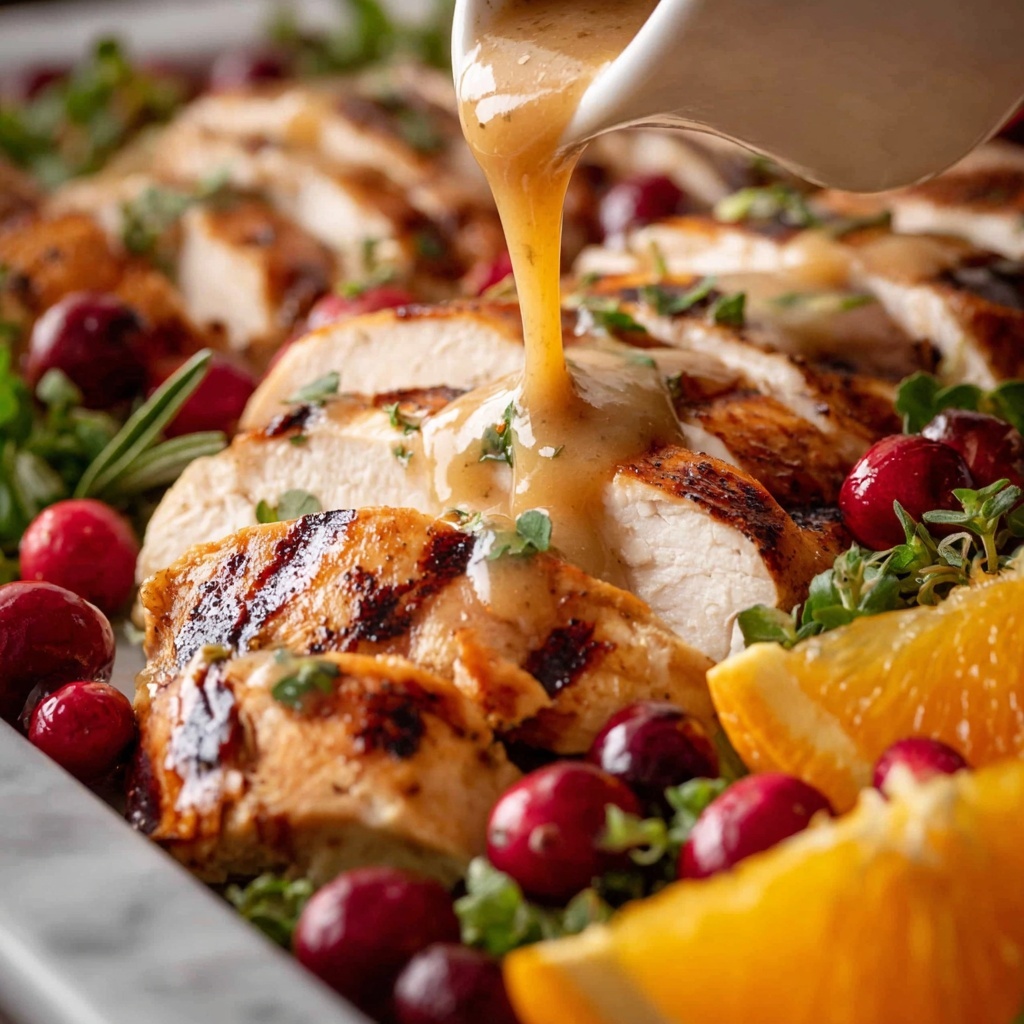
Simple garnishes like a sprinkle of fresh thyme or finely chopped parsley can add a fresh pop of color and a subtle herbal note. For a touch of elegance, a few thin slices of roasted shallots or caramelized onions laid gently on top will impress anyone at the table.
Side Dishes
This turkey gravy pairs like a dream with traditional sides — mashed potatoes, green bean casserole, herbed stuffing, and roasted root vegetables soak up the gravy beautifully. Don’t be shy with the gravy; it’s what turns a good meal into a memorable feast!
Creative Ways to Present
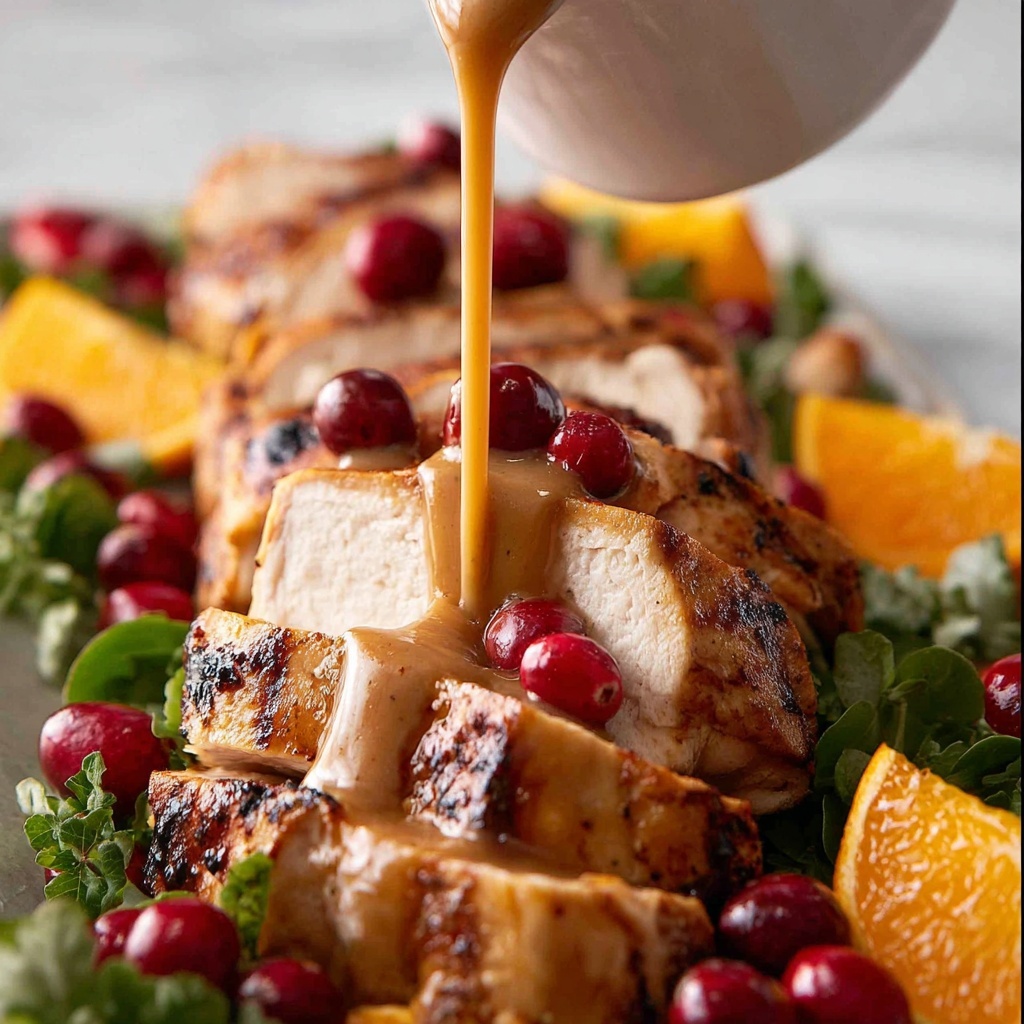
For something a little different, try serving the gravy in small individual gravy boats or mini pitchers at each place setting for a personal touch. Or drizzle the gravy artistically over carved turkey slices on a large platter for a stunning presentation that will get everyone excited to dig in.
Make Ahead and Storage
Storing Leftovers
If you have any turkey gravy leftover, keep it in an airtight container in the refrigerator for up to three days. The flavors develop even more after resting, so leftovers can be thoroughly enjoyed in the days following your feast.
Freezing
This Turkey Gravy for Roasted Turkey Recipe freezes beautifully. Just cool completely, pour into freezer-safe containers or bags, and freeze for up to three months. When you’re ready to use, thaw overnight in the fridge for the best texture.
Reheating
Reheat gently on the stove over low heat, whisking frequently to bring back that irresistible smoothness. If it has thickened too much after cooling, simply stir in a splash more broth or water to loosen it up to the perfect consistency.
FAQs
Can I make this gravy without turkey drippings?
Yes, if you don’t have turkey drippings on hand, you can substitute with butter or oil and a bit of poultry seasoning to mimic that roasted flavor, but you’ll miss out on the authentic depth only drippings provide.
Why is my turkey gravy lumpy?
Lumps usually happen if the flour is added too quickly or not combined well with the liquid. Make sure to whisk constantly while gradually adding the broth to keep the mixture smooth.
How do I make turkey gravy gluten-free?
Replace the all-purpose flour with a gluten-free flour blend or cornstarch (use half the amount of cornstarch), making sure to whisk it well into the drippings to avoid lumps.
Can I add wine or other flavorings to this gravy?
Absolutely! A splash of dry white wine or sherry added after the flour cooks, and before the broth goes in, can add a wonderful dimension. Just simmer until the alcohol cooks off before continuing with the broth.
Should I use low sodium or regular chicken broth?
Low sodium broth is best to control the salt levels in your gravy. You can always add salt at the end, but it’s tricky to fix if the gravy is too salty.
Final Thoughts
This Turkey Gravy for Roasted Turkey Recipe is the kind of homemade goodness that brings everyone to the table with smiles and hearty appetites. It’s wonderfully straightforward to make, wonderfully rich to enjoy, and wonderfully memorable to share. Give it a try next time you roast a turkey — your taste buds and guests will thank you!
Print
Turkey Gravy for Roasted Turkey Recipe
- Prep Time: 5 minutes
- Cook Time: 10 minutes
- Total Time: 15 minutes
- Yield: 4.4 cups (serves 12)
- Category: Sauce/Condiment
- Method: Stovetop
- Cuisine: American
Description
This rich and flavorful turkey gravy is the perfect complement to your roasted turkey. Made with drippings from your roasting pan, flour, and chicken broth, it has a smooth, luscious texture and a savory taste that enhances any holiday meal.
Ingredients
Gravy Ingredients
- 6 tbsp drippings from turkey roasting pan
- 6 tbsp plain/all-purpose flour
- 4 cups low sodium chicken broth or stock
- Salt, to taste
- Black pepper, to taste
Instructions
- Heat the Roasting Pan: Place the roasting pan with drippings on the stove over medium heat. Use a burner that can accommodate the pan, preferably one that fits across two burners. Leave any garlic, onion, or other flavoring bits in the pan to enhance the gravy’s taste.
- Add and Cook Flour: Once the drippings start sizzling and bubbling, add the flour. Stir constantly and cook the flour for about 1 minute to remove the raw taste, forming a roux.
- Incorporate Broth Gradually: Slowly pour in the chicken broth while continuously stirring to prevent lumps. Use a whisk if necessary to keep the gravy smooth, especially around any onion or garlic bits in the pan.
- Simmer and Thicken: Let the mixture simmer until it thickens to your desired consistency, keeping in mind it will thicken more as it cools. Season with salt and pepper to taste at the end of cooking.
- Strain the Gravy: Pour the gravy through a fine strainer into a bowl, pressing down on the onion and garlic solids to extract maximum flavor before discarding them.
- Serve: Transfer the strained gravy to a jug and serve alongside your roasted turkey. To keep the gravy warm for longer, store it in a thermos.
Notes
- Use drippings from your roasted turkey pan for the richest flavor.
- Low sodium chicken broth is preferable to control the saltiness of the gravy.
- Whisking constantly when adding broth helps avoid lumps.
- Gravy thickens more as it cools, so adjust seasoning towards the end carefully.
- Storing gravy in a thermos helps maintain temperature before serving.