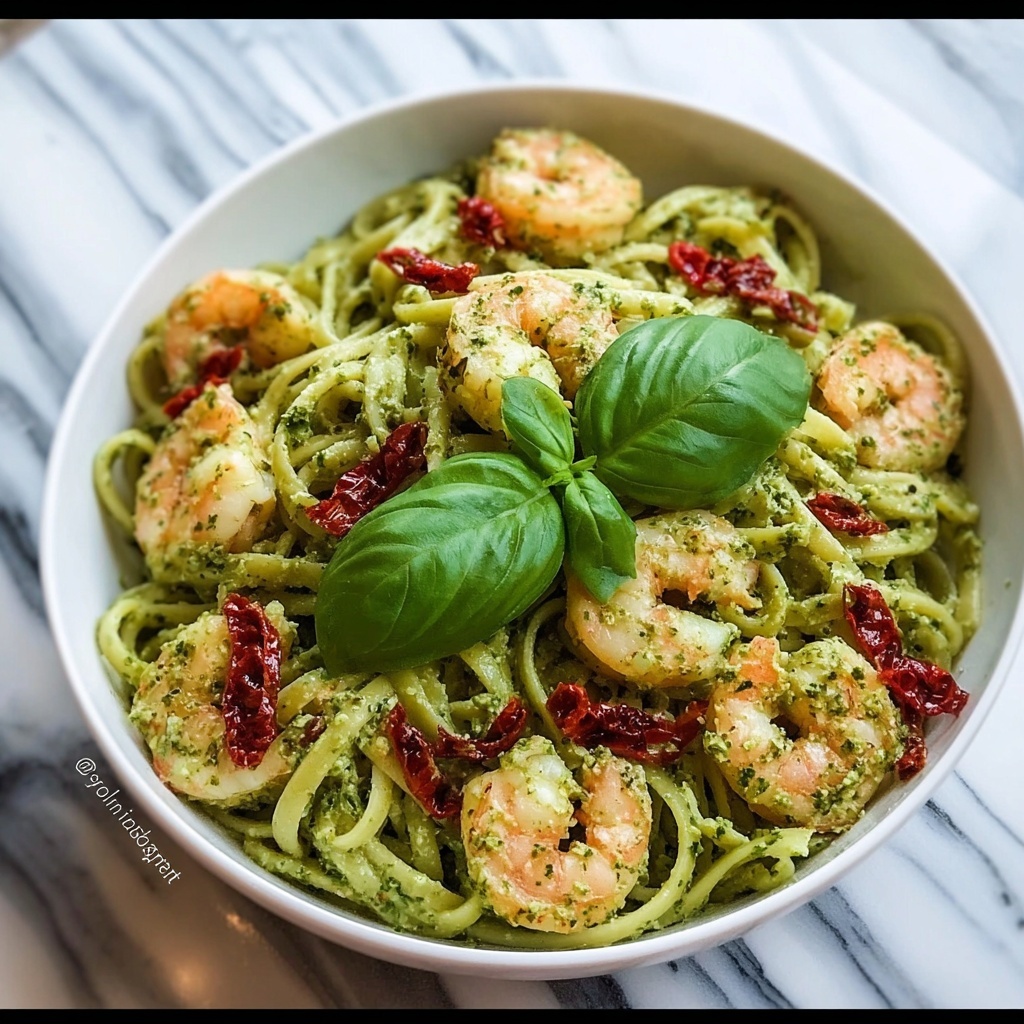
If you are craving an exciting twist on traditional pasta, this Thai Shrimp Basil Pesto Pasta Recipe is your new go-to dinner that combines the fresh, aromatic flavors of Thai basil with rich, creamy pesto and succulent shrimp. It’s a vibrant fusion dish that brings together the best of Italian and Thai cuisine in one bowl. The bright notes of lime, the subtle heat from chili flakes, and the earthy nuttiness of roasted cashews create a sauce that perfectly coats the fettuccine, while the juicy shrimp add a delightful protein punch. This recipe is simple, quick, and impressive enough to serve any night of the week or when friends come over for a flavorful meal.
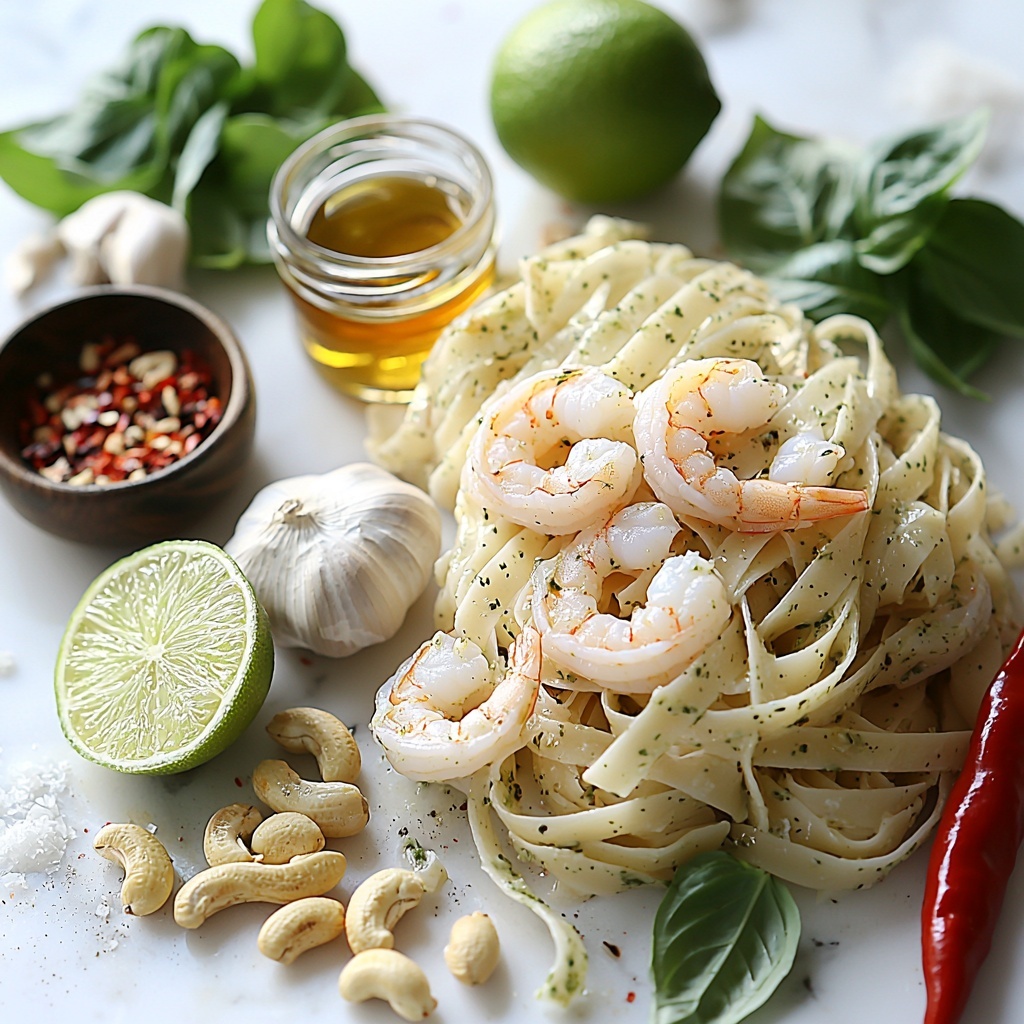
Ingredients You’ll Need
Gathering the right ingredients is the first step to making your Thai Shrimp Basil Pesto Pasta Recipe shine. Each element plays a crucial role—fresh basil and garlic build the aromatic base, while lime juice and fish sauce bring authentic Southeast Asian zest. The roasted cashews ensure a creamy texture without the need for heavy cream, and juicy shrimp rounds it all out with satisfying protein.
- 12 oz fettuccine or linguine: Choose a pasta that holds the sauce well and offers a good bite.
- 1 lb large shrimp, peeled and deveined: Opt for fresh or thawed shrimp, as they cook quickly and absorb flavors perfectly.
- 2 cups fresh Thai basil leaves (or regular basil): Thai basil adds that signature licorice-like aroma, but sweet basil works beautifully too.
- 2 cloves garlic: Fresh garlic amps up the depth and pungency of the pesto.
- 1/3 cup roasted cashews or peanuts: Roasted nuts bring nuttiness and creaminess, essential for the pesto’s texture.
- 2 tablespoons lime juice: Fresh lime juice adds brightness and a slight tang to balance the sauce.
- 1 tablespoon fish sauce or soy sauce: Fish sauce is traditional for umami depth, but soy sauce makes it vegetarian-friendly.
- 1/3 cup olive oil or sesame oil: Olive oil for a classic pesto feel; sesame oil for a toasty, nutty note.
- 1/2 teaspoon chili flakes (optional): Adds a gentle heat to complement the sweet basil and shrimp.
- 1/2 teaspoon salt: Enhances all the vibrant flavors in the dish.
- 1/4 teaspoon black pepper: Adds a small kick to balance the creaminess of the pesto.
- 1/4 cup pasta water (reserved): Used to thin the pesto sauce and help it cling beautifully to the pasta.
- Garnish – extra basil leaves, red chili or bell pepper slices: For an inviting pop of color and fresh aroma at the end.
How to Make Thai Shrimp Basil Pesto Pasta Recipe
Step 1: Blend the Basil Pesto
Start by combining your fresh basil leaves, garlic, roasted cashews, lime juice, fish sauce, chili flakes, salt, and pepper in a blender or food processor. While blending, drizzle in the olive or sesame oil slowly to create a smooth, creamy pesto that bursts with fresh herbal flavor and balanced seasoning. This pesto is the heart of the dish, so take your time ensuring it blends beautifully.
Step 2: Cook the Pasta
Bring a large pot of salted water to a rolling boil and cook your fettuccine or linguine just until al dente—firm but tender. Be sure to reserve about 1/4 cup of the pasta water before draining because this starchy water is your secret weapon to loosen the pesto without watering down its richness.
Step 3: Sear the Shrimp
Heat a tablespoon of oil in a large skillet over medium-high heat, then add the shrimp. Cook for about 1 to 2 minutes on each side, until the shrimp turn a vibrant pink and curl up nicely. This quick searing seals in their juices and delivers that perfectly tender texture.
Step 4: Toss Pasta with Pesto
Using the same skillet, add your drained pasta and toss it thoroughly with the basil pesto. If the sauce feels too thick, gradually stir in the reserved pasta water to bring everything together in a luscious, smooth coating that clings well to every strand.
Step 5: Fold in the Shrimp and Garnish
Gently fold the seared shrimp back into the pasta mixture and toss to combine. To finish, sprinkle extra fresh basil leaves and add colorful slices of red chili or bell pepper for a fresh crunch and beautiful presentation. Serve immediately to enjoy the pesto’s vibrant flavors at their freshest.
How to Serve Thai Shrimp Basil Pesto Pasta Recipe
Garnishes
A handful of fresh Thai basil leaves not only adds a burst of green but also intensifies the basil flavor with every bite. Thin slices of red chili bring a stunning color contrast while contributing mild heat, and bell pepper slices add a sweet crunch that brightens up the dish visually and texturally.
Side Dishes
This dish pairs wonderfully with light, crisp sides. A simple green salad with lime dressing complements the robust flavors perfectly, or you can go for steamed vegetables like asparagus or snap peas to add some freshness. For a heartier option, garlic bread with a hint of chili flakes echoes the pesto’s spicy notes.
Creative Ways to Present
For an elegant dinner party, serve the pasta in shallow bowls with a drizzle of extra pesto and a sprinkle of crushed cashews on top. Or lay the shrimp decoratively on the side, stacking pasta in gentle nests. Adding edible flowers or microgreens as a final touch makes this Thai Shrimp Basil Pesto Pasta Recipe truly eye-catching.
Make Ahead and Storage
Storing Leftovers
Store any leftover Thai Shrimp Basil Pesto Pasta in an airtight container in the refrigerator for up to 2 days. The flavors meld nicely overnight, but the pesto might thicken—just add a splash of warm water or olive oil before reheating to refresh the sauce.
Freezing
This dish is best enjoyed fresh rather than frozen since the pesto sauce and shrimp can lose their texture after thawing. If you must freeze, keep the pasta and shrimp separate from the sauce and thaw completely before combining gently to maintain the best flavor.
Reheating
Reheat leftovers gently in a skillet over low heat, adding a bit of olive oil or pasta water to loosen the sauce. Avoid microwaving aggressively, as it can dry out the shrimp and cause the pesto to lose its vibrant flavor.
FAQs
Can I use regular basil instead of Thai basil?
Absolutely! Regular sweet basil makes a delicious substitute if you don’t have Thai basil on hand. It will slightly change the aroma and flavor but still maintain that fresh herbal pesto taste.
Is there a vegetarian version of this Thai Shrimp Basil Pesto Pasta Recipe?
Yes, you can skip the shrimp and add tofu, mushrooms, or extra roasted cashews for protein. Use soy sauce instead of fish sauce to keep it vegetarian-friendly while preserving the umami flavor.
How spicy is this dish?
The chili flakes add a gentle warmth rather than overwhelming heat, but feel free to adjust or omit them based on your spice tolerance. The dish balances fresh, spicy, tangy, and savory flavors beautifully.
Can I prepare the pesto ahead of time?
Yes, the pesto can be made a day in advance and stored in the refrigerator in an airtight container. Press plastic wrap directly on the pesto surface to prevent browning and bring it to room temperature before tossing with pasta.
What type of pasta works best for this recipe?
Fettuccine or linguine works best because their flat surfaces hold the pesto sauce well. However, you can use other long pasta like spaghetti or even short pasta shapes if preferred.
Final Thoughts
This Thai Shrimp Basil Pesto Pasta Recipe is a delightful fusion that brightens up your weeknight dinners with its bold flavors and fresh ingredients. It’s quick to make, packed with layers of taste, and perfect for anyone who loves a little adventure on their plate. Give it a try—you’ll be surprised at how easily this easy recipe transforms dinner into a flavorful celebration.
Print
Thai Shrimp Basil Pesto Pasta Recipe
- Prep Time: 10 minutes
- Cook Time: 15 minutes
- Total Time: 25 minutes
- Yield: 4 servings
- Category: Main Course
- Method: Stovetop
- Cuisine: Thai
Description
This Thai Shrimp Basil Pesto Pasta is a vibrant and flavorful dish that combines fresh Thai basil pesto with succulent seared shrimp and al dente pasta. Featuring a unique blend of herbs, nuts, lime juice, and fish sauce, this recipe offers a delicious twist on traditional pesto, perfect for a quick 25-minute dinner that serves four.
Ingredients
Pasta
- 12 oz fettuccine or linguine
Shrimp
- 1 lb large shrimp, peeled and deveined
- 1 tablespoon oil (for searing)
Thai Basil Pesto
- 2 cups fresh Thai basil leaves (or regular basil)
- 2 cloves garlic
- 1/3 cup roasted cashews or peanuts
- 2 tablespoons lime juice
- 1 tablespoon fish sauce or soy sauce
- 1/3 cup olive oil or sesame oil
- 1/2 teaspoon chili flakes (optional)
- 1/2 teaspoon salt
- 1/4 teaspoon black pepper
Additional
- 1/4 cup reserved pasta water
- Garnish: extra basil leaves, red chili or bell pepper slices
Instructions
- Prepare the pesto: In a blender or food processor, combine fresh Thai basil leaves, garlic, roasted cashews, lime juice, fish sauce or soy sauce, chili flakes, salt, and black pepper. Blend while slowly drizzling in olive or sesame oil until the mixture is smooth and creamy.
- Cook the pasta: Bring a large pot of salted water to a boil. Add the fettuccine or linguine and cook until al dente, according to package instructions. Reserve 1/4 cup of the pasta cooking water, then drain the pasta well.
- Sear the shrimp: Heat 1 tablespoon of oil in a large skillet over medium-high heat. Add the peeled and deveined shrimp and cook for 1–2 minutes per side until they turn pink and are cooked through. Remove the shrimp from the skillet and set aside.
- Toss pasta with pesto: In the same skillet, add the cooked pasta and the prepared pesto sauce. Toss to coat the pasta evenly. Gradually add the reserved pasta water as needed to loosen and thin the sauce to your desired consistency.
- Combine and garnish: Fold the seared shrimp into the pasta and pesto mixture. Garnish with extra fresh basil leaves and slices of red chili or bell pepper for added color and flavor. Serve hot and enjoy!
Notes
- Use Thai basil for an authentic flavor, but regular sweet basil is a good substitute if unavailable.
- Roasting the cashews or peanuts beforehand enhances the nutty flavor of the pesto.
- Adjust the amount of chili flakes to suit your preferred heat level or omit for a milder taste.
- Reserving pasta water is key to achieving a silky pesto sauce that clings well to the noodles.
- This dish can be made vegetarian by substituting shrimp with tofu and omitting fish sauce.