Description
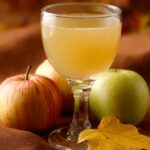
This traditional Russian Apple Kvas is a lightly fermented, refreshing beverage made from apple juice, sugar, yeast, and molasses. It is naturally fizzy, slightly sweet with a tangy hint, and perfect for a healthy alternative to soda. The recipe involves a slow fermentation process allowing natural carbonation to develop, resulting in a delicious homemade drink.
Ingredients
Scale
Ingredients
- 8 cups apple juice
- 1/2 cup granulated sugar
- 1/2 Tbsp active dry yeast
- 1/2 tsp dark molasses (or 1 tsp instant coffee)
- 6 cups filtered water
Instructions
- Prepare the jar: Fill a 16-cup glass jar with 8 cups of apple juice, ensuring plenty of space for fermentation.
- Add sweeteners and yeast: Mix in 1/2 cup granulated sugar, 1/2 tablespoon active dry yeast, and 1/2 teaspoon dark molasses (alternatively, use 1 teaspoon instant coffee). Stir well until the sugar dissolves completely.
- Add water: Pour in 6 cups of filtered water, stirring gently to combine all ingredients evenly.
- Cover and ferment: Cover the jar with multiple layers of cheesecloth or a cotton cloth secured with a rubber band to allow airflow but keep out contaminants. Let the mixture sit at room temperature on the counter for approximately 18 hours to allow fermentation and carbonation to develop.
- Refrigerate and store: After fermentation, transfer the jar to the refrigerator to chill completely. Once cold, remove the cloth cover and replace it with a screw-on lid to preserve carbonation. Avoid sealing while still warm to prevent excessive pressure buildup inside the jar.
Notes
- Use a glass jar for fermentation to avoid any reactions with the yeast.
- If you prefer less sweetness, you can reduce the sugar slightly.
- Adjust fermentation time based on temperature; warmer environments will ferment faster.
- Molasses adds depth of flavor; instant coffee is an optional substitute to replicate this.
- Store refrigerated and consume within a week for best freshness and taste.
- Be cautious when opening the jar after fermentation as natural carbonation may cause foam overflow.