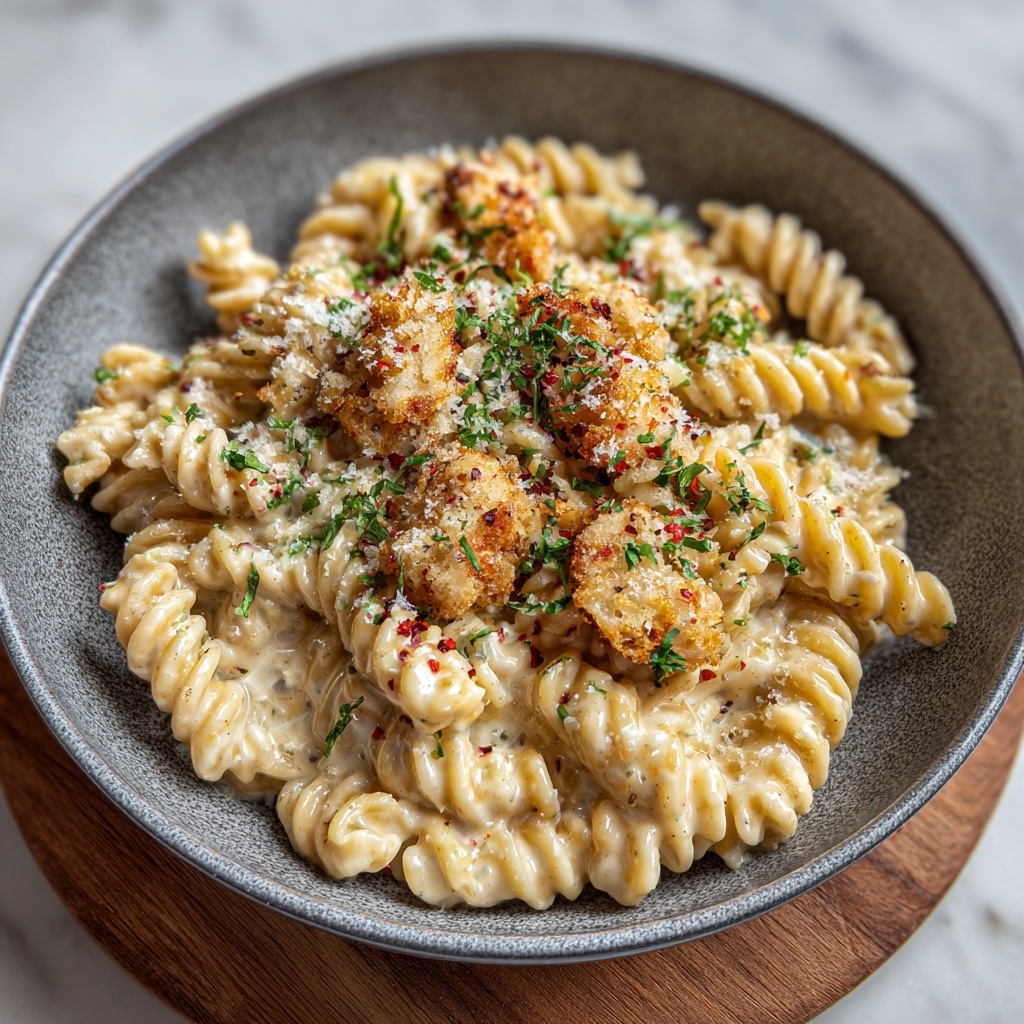
There is something truly magical about the comforting and indulgent flavors wrapped up in this Roasted Garlic Asiago Busiate Recipe. Tender, beautifully twisted busiate pasta meets a luxuriously creamy sauce made from slow-roasted garlic and nutty Asiago cheese, creating a perfectly balanced dish that delights both the eyes and the palate. This recipe is an absolute winner for anyone who loves a rich yet approachable pasta experience, blending simple ingredients into something spectacularly memorable.
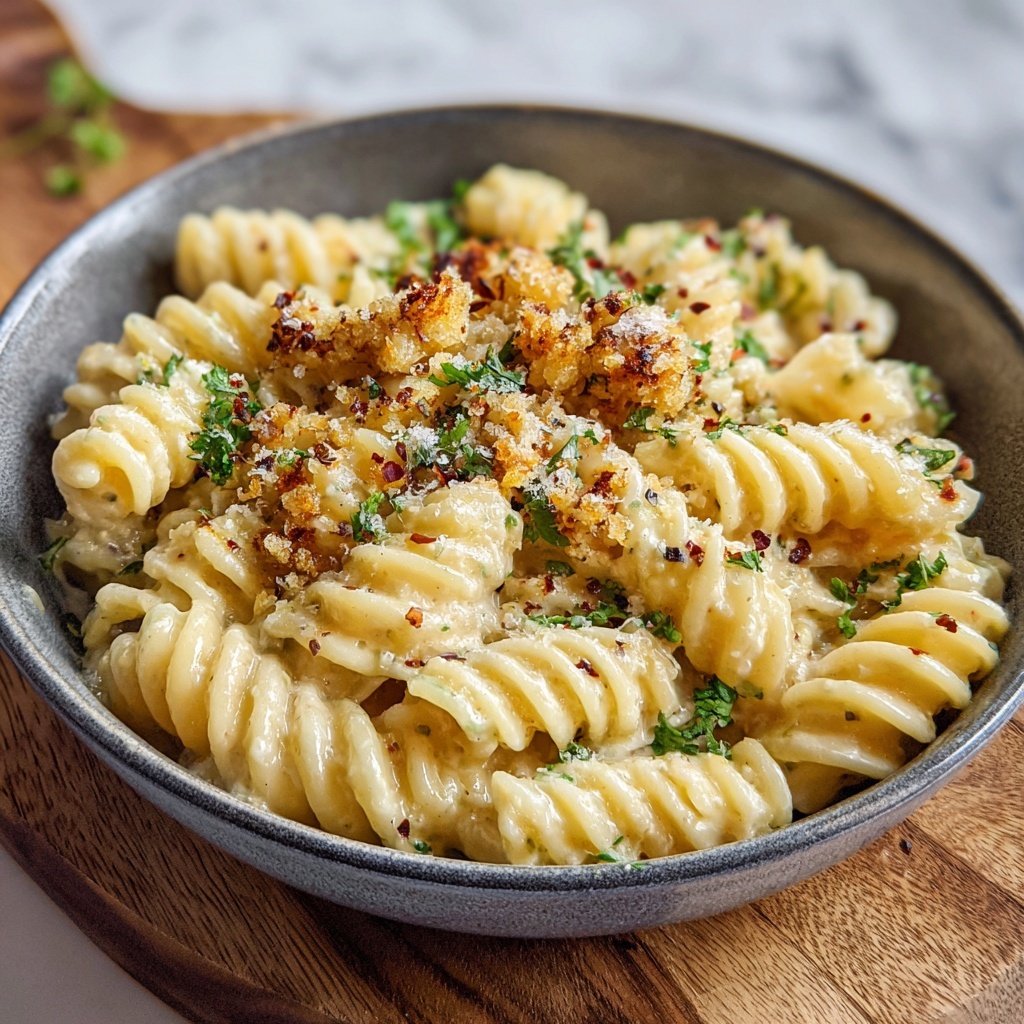
Ingredients You’ll Need
Creating this Roasted Garlic Asiago Busiate Recipe is wonderfully straightforward, relying on a handful of humble yet high-impact ingredients. Each one plays its part in layering flavor, adding texture, or enhancing the creamy, dreamy sauce we’re aiming for.
- Busiate pasta: This uniquely twisted cousin of spaghetti holds on to sauce beautifully thanks to its spiral shape.
- Garlic bulbs: Roasted to soft perfection, garlic transforms from sharp to sweet and mellow.
- Extra virgin olive oil: Used for roasting garlic, it adds a subtle fruitiness and helps caramelize the cloves.
- Heavy cream: The base of the sauce, lending a rich, velvety texture that’s truly indulgent.
- Asiago cheese, grated: This cheese melts beautifully, delivering a nutty, savory kick that’s the heart of the dish.
- Freshly cracked black pepper: Sprinkled throughout to add a touch of spice and warmth.
- Salt: Essential for seasoning both the pasta water and the sauce.
- Pasta water: Reserved cooking water that helps marry sauce and pasta for perfect creaminess.
How to Make Roasted Garlic Asiago Busiate Recipe
Step 1: Roast the Garlic to Perfection
Begin by preheating your oven to 400°F (200°C). Slice the tops off the garlic bulbs to expose the cloves, then drizzle them generously with olive oil. Wrap each bulb tightly in foil and roast for 35 to 40 minutes until golden and irresistibly soft. Once out of the oven, squeeze the cloves from their skins and mash them into a luscious paste. This roasted garlic is the star ingredient that will transform your sauce from ordinary to extraordinary.
Step 2: Cook the Busiate Pasta
While the garlic roasts, bring a large pot of salted water to a boil. Add the busiate pasta and cook until al dente—tender but still with a firm bite. Before draining, scoop out about half a cup of the starchy pasta water. This liquid gold will come in handy to loosen your sauce later, ensuring it clings perfectly to every twist and turn of the pasta.
Step 3: Whisk Together the Cream and Garlic
Reduce the stove heat to low and gently warm the heavy cream in a saucepan. Stir in the mashed roasted garlic paste, whisking continuously until the garlic melts seamlessly into the cream, creating a smooth, fragrant base that’s begging for cheese.
Step 4: Melt in the Asiago Cheese
Slowly add the grated Asiago cheese to your warm cream and garlic mixture, stirring until it melts into a velvety, cohesive sauce. Taste and season with salt and freshly cracked black pepper, keeping in mind that Asiago lends a natural saltiness and depth, so start gently and adjust as you go.
Step 5: Combine Pasta and Sauce
Return the drained busiate pasta to the pot or a large mixing bowl, and pour over the roasted garlic Asiago sauce. Toss everything together to coat each piece of pasta, adding small splashes of reserved pasta water to achieve that perfect creamy consistency that makes pasta dishes so irresistible.
Step 6: Serve it Hot and Fresh
Plate the pasta immediately while warm, finishing with an extra crack of black pepper and an optional shower of Asiago. The dish should be luscious and inviting, with every bite delivering a rich balance of roasted garlic sweetness and cheesy goodness.
How to Serve Roasted Garlic Asiago Busiate Recipe
Garnishes
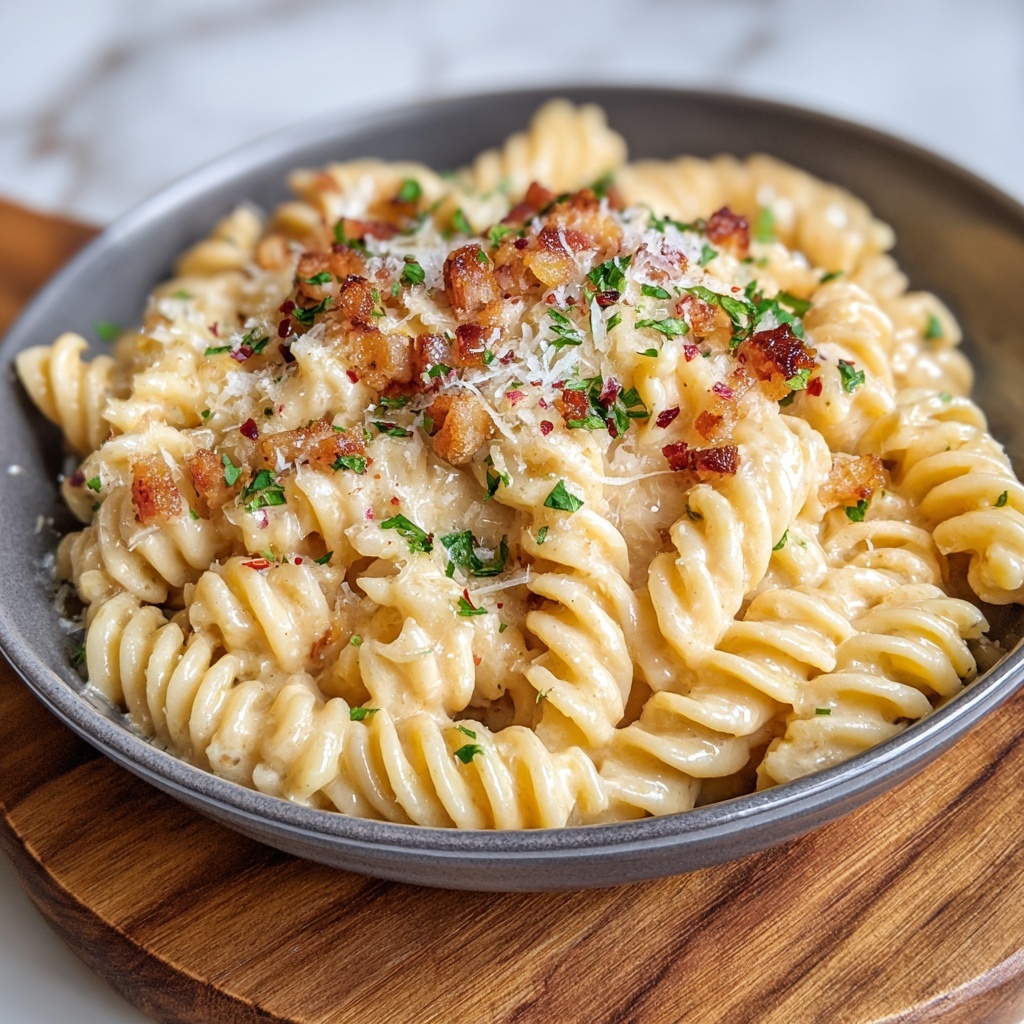
Fresh herbs like finely chopped parsley or basil leave a bright contrast to the richness, while a sprinkle of toasted pine nuts can add a delightful crunch. If you’re a fan of spice, a dash of chili flakes gives the dish a playful kick that complements the creamy sauce beautifully.
Side Dishes
This dish shines with simple sides that won’t overpower it. Think a crisp green salad with a lemon vinaigrette to cut through the creaminess, or roasted seasonal vegetables that echo the caramelized notes in the sauce. Crunchy garlic bread also pairs wonderfully for dipping and mopping up every last bit.
Creative Ways to Present
Serve this recipe in shallow bowls to showcase the pasta’s elegant spirals coated in sauce, or twirl small portions onto appetizer plates for a classy starter. Adding edible flowers or microgreens on top invites a little wow factor, perfect for impressing friends at a casual dinner party.
Make Ahead and Storage
Storing Leftovers
Once cooled, transfer your Roasted Garlic Asiago Busiate into an airtight container and refrigerate. It will keep well for up to 3 days, though the pasta may absorb some sauce and become denser over time.
Freezing
While this creamy pasta is best fresh, you can freeze leftovers if necessary. Use a freezer-safe container and consume within one month for best taste. To prevent the sauce from separating, reheat gently and stir frequently.
Reheating
Reheat your leftovers slowly on the stovetop over low heat, adding a splash of cream or milk and a little pasta water to revive the sauce’s luscious texture. Avoid microwaving at full power to keep the sauce from breaking or becoming grainy.
FAQs
Can I use a different type of pasta for this recipe?
Absolutely! While busiate’s twisted shape is perfect for holding the sauce, you can substitute with fusilli, cavatappi, or even penne if you want. Just be sure to cook until al dente for best texture.
Is this recipe suitable for vegetarians?
Yes, it’s completely vegetarian as long as your Asiago cheese is made without animal rennet. Always check the label or use a vegetarian-friendly hard cheese alternative if needed.
Can I substitute heavy cream with a lighter option?
You can try using half-and-half or whole milk, but keep in mind that the sauce won’t be as rich or velvety. Adding a teaspoon of flour or cornstarch can help thicken the sauce slightly when using lighter dairy.
How do I store the roasted garlic if I make it ahead of time?
Roasted garlic can be stored in an airtight container in the fridge for up to a week. You can also freeze it in small portions for easy use later—just thaw before mixing into your cream sauce.
What if I don’t have Asiago cheese?
Pecorino Romano or Parmesan work as delicious substitutes, though the flavor will vary slightly. Asiago has a distinct nutty tone, but these alternatives still provide that beautiful cheesy richness needed to elevate the dish.
Final Thoughts
If you’re craving a pasta dish that feels both comforting and a little special, I can’t recommend this Roasted Garlic Asiago Busiate Recipe enough. It’s the kind of meal that warms you from the inside out and invites second helpings, blending familiar ingredients into something unforgettable. Give it a try—you might just find your new go-to recipe for sharing with loved ones on cozy nights in.
Print
Roasted Garlic Asiago Busiate Recipe
- Prep Time: 10 minutes
- Cook Time: 40 minutes
- Total Time: 50 minutes
- Yield: 2 servings (can serve 2 to 3)
- Category: Main Course
- Method: Roasting and Stovetop
- Cuisine: Italian
Description
A rich and creamy roasted garlic Asiago busiate pasta dish featuring perfectly roasted garlic blended into a velvety cheese sauce, tossed with al dente busiate pasta and finished with freshly cracked black pepper for a flavorful, comforting Italian-inspired meal.
Ingredients
Ingredients
- 1/2 lb busiate pasta
- 2 bulbs garlic
- 1 tbsp extra virgin olive oil
- 1 cup heavy cream
- 1 cup Asiago cheese, grated
- Freshly cracked black pepper, to taste
- Salt, to taste
- Pasta water, as needed
Instructions
- Roast the garlic: Preheat your oven to 400°F (200°C). Slice the tops off the garlic bulbs, drizzle with olive oil, then wrap them in foil. Roast for 35–40 minutes until the garlic is golden and soft. Once cooled, squeeze the cloves out and mash them into a smooth paste.
- Cook pasta: Bring a pot of salted water to a boil and cook the busiate pasta until al dente. Reserve half a cup of the pasta cooking water and then drain the pasta thoroughly.
- Make the sauce: In a pan over low heat, warm the heavy cream. Stir in the roasted garlic paste and whisk continuously until smooth and well combined.
- Melt in the cheese: Gradually add the grated Asiago cheese to the cream mixture, stirring until the cheese melts completely and the sauce is velvety. Season with salt and freshly cracked black pepper to taste.
- Toss it all: Add the cooked busiate pasta to the sauce, tossing them together to coat evenly. Add a splash of reserved pasta water as needed to adjust the sauce to your desired creaminess.
- Serve hot: Plate the pasta immediately, adding an extra crack of black pepper and a sprinkle of Asiago cheese on top to finish.
Notes
- Be careful not to overcook the garlic during roasting; it should be soft and golden, not burnt.
- Reserve pasta water as it helps loosen the sauce and gives it a silky texture.
- Substitute Asiago with Parmesan if unavailable, though Asiago provides a richer flavor.
- This dish is best served fresh to enjoy the creamy texture of the sauce.
- Adjust seasoning gradually, especially salt, since Asiago cheese is naturally salty.