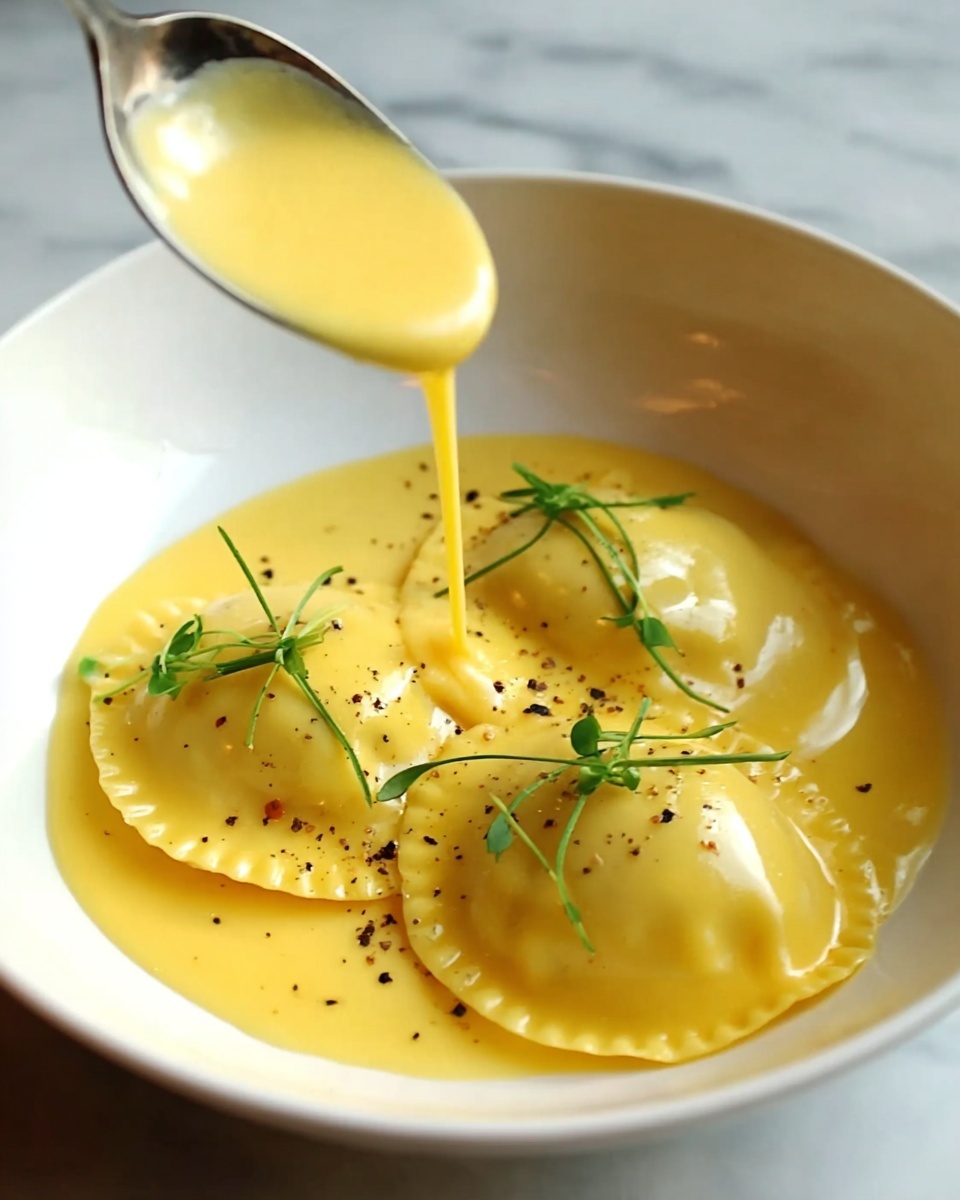
If you have ever wondered how to master the rich and velvety sauce that elevates brunch classics like Eggs Benedict to a new level of deliciousness, you’re in for a treat. This Hollandaise Sauce Recipe is a delightful celebration of creamy butter, bright lemon, and silky egg yolks combined into one luscious sauce. It’s so elegantly simple yet packed with flavor, making it the perfect companion to everything from asparagus to perfectly poached eggs. Once you learn this recipe, you’ll find countless opportunities to add a touch of French-inspired luxury to your meals.
Ingredients You’ll Need
Every great Hollandaise sauce starts with just a handful of ingredients that work together beautifully to create that signature smooth texture and tangy richness. With fresh eggs as your base, lemon juice adding brightness, and butter giving that irresistible creaminess, each element is essential to the taste, texture, and color.
- 3 large egg yolks: The foundation that gives the sauce its creamy body and rich golden color.
- 1 tablespoon fresh lemon juice: Adds a bright, tangy contrast that balances the richness.
- 1/2 cup unsalted butter (melted and hot): The star of the sauce, bringing lusciousness and smoothness.
- 1/4 teaspoon salt: Enhances all the flavors without overpowering the sauce.
- Pinch of cayenne pepper (optional): A subtle kick that adds a warm depth when you want a little extra flair.
How to Make Hollandaise Sauce Recipe
Step 1: Whisk Egg Yolks and Lemon Juice
Start by placing the egg yolks and fresh lemon juice in a heatproof bowl. Whisk them together vigorously until the mixture thickens and nearly doubles in volume. This step is crucial because it aerates the eggs, giving the sauce its lightness and creating the perfect base.
Step 2: Prepare the Double Boiler Setup
Set the bowl over a saucepan filled with gently simmering water. Make sure the bottom of the bowl doesn’t touch the water to avoid scrambling the eggs. This gentle heat is what cooks the eggs slowly and allows the sauce to thicken properly.
Step 3: Slowly Whisk in Melted Butter
While whisking rapidly, drizzle the hot melted butter in very slowly. This gradual addition ensures the sauce emulsifies perfectly, blending the butter with the eggs and lemon juice into a smooth, creamy texture. Constant whisking is key here to prevent separation.
Step 4: Season and Finish
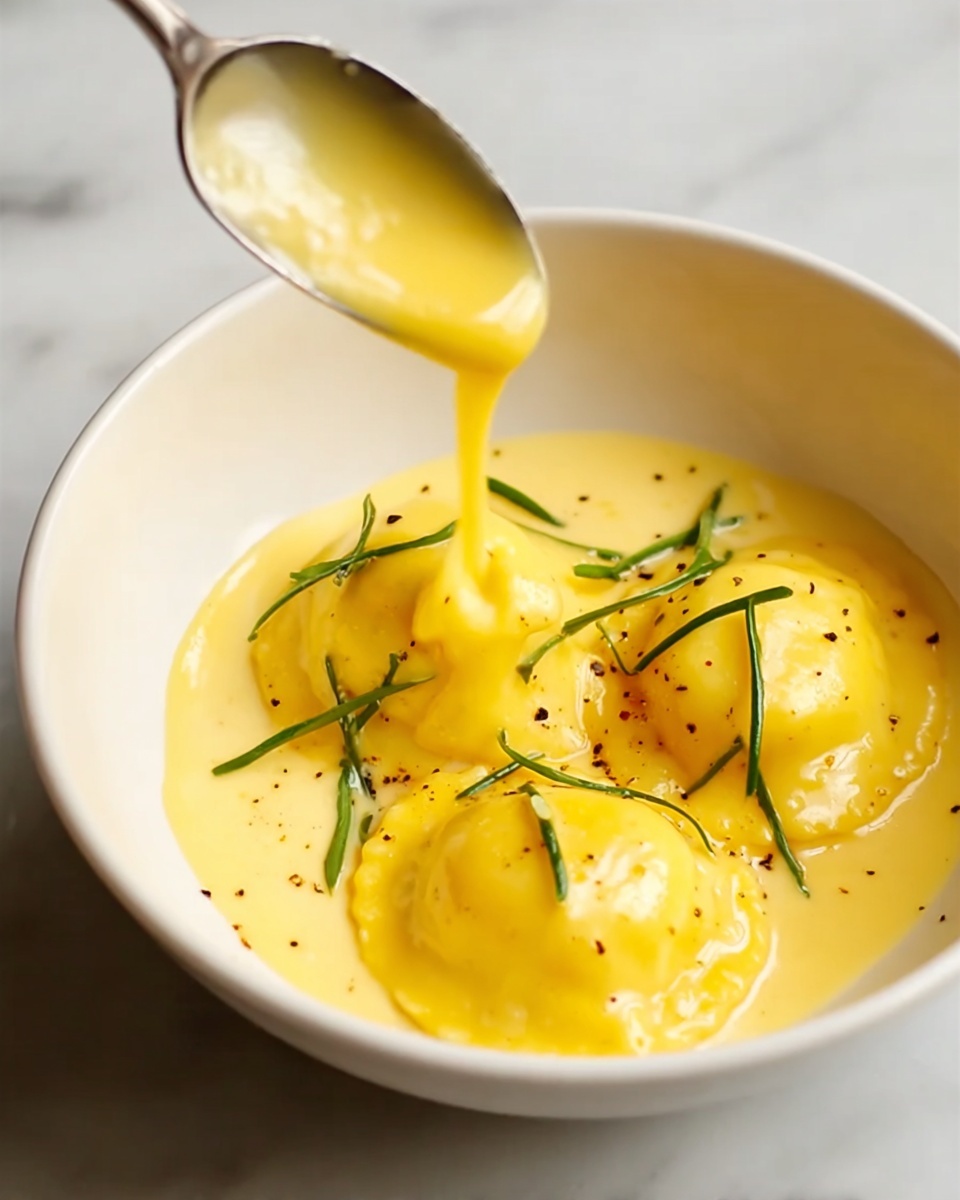
Once thick and glossy, remove your bowl from the heat. Stir in salt and a pinch of cayenne pepper if desired, to perfectly season your sauce. The cayenne adds a delicate warmth without overpowering the flavor. Serve immediately or keep warm gently until ready to enjoy.
How to Serve Hollandaise Sauce Recipe
Garnishes
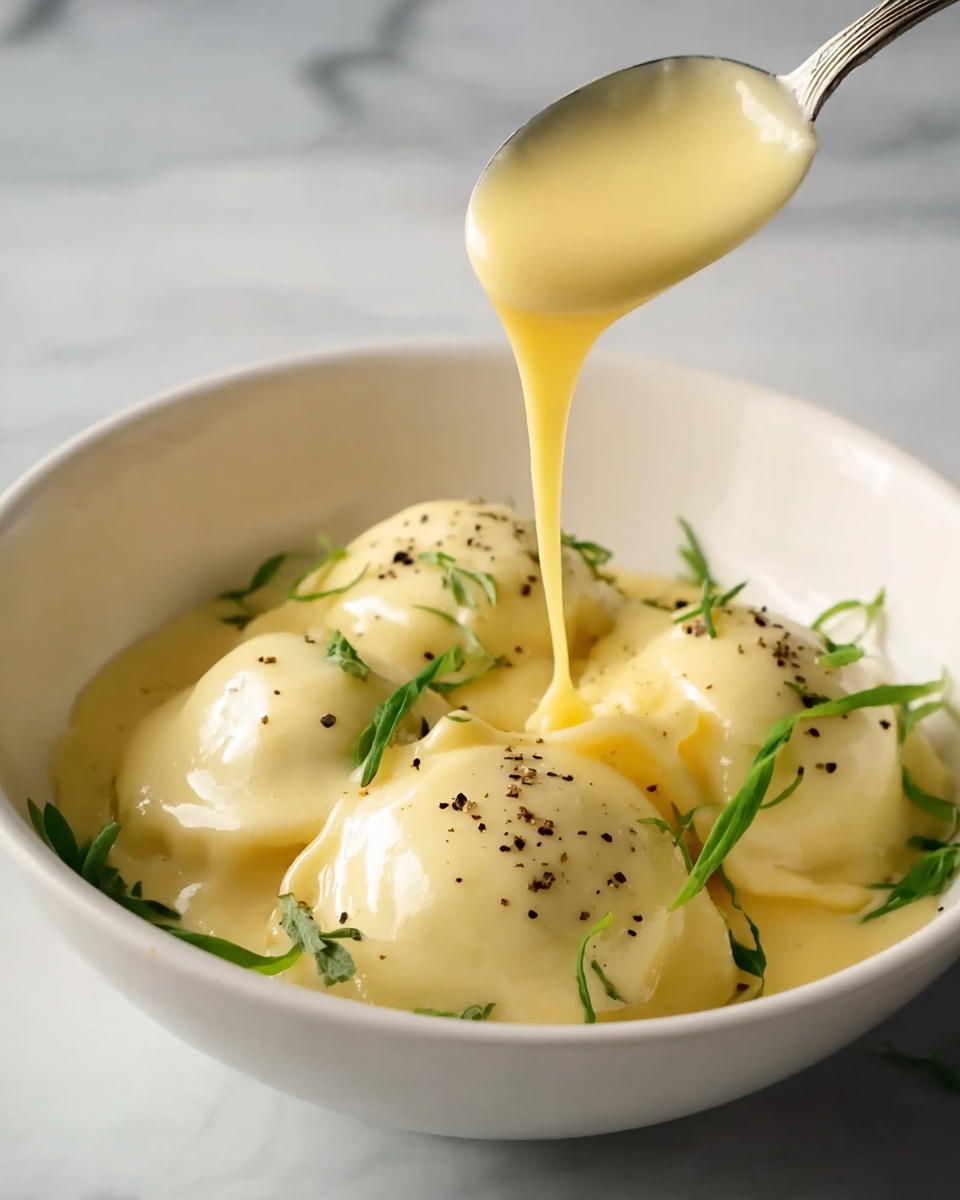
Hollandaise Sauce tastes divine on its own but garnishing it brings out its visual appeal and layers of flavor. Fresh chopped herbs like chives or tarragon add a pop of color and a fresh herbal note, while a few thin slices of smoked paprika or a sprinkle of cracked black pepper can elevate the presentation.
Side Dishes
This sauce pairs beautifully with classics like steamed or roasted asparagus, tender artichokes, or sautéed spinach. It’s a match made in heaven when drizzled over poached eggs or crispy hash browns. Let your creativity flow by introducing it alongside grilled salmon or roasted potatoes to delight your taste buds.
Creative Ways to Present
For an elegant brunch, serve your Hollandaise Sauce Recipe poured over a bed of English muffins topped with perfectly poached eggs and smoky ham for traditional Eggs Benedict. Or try spooning it over grilled vegetables stacked artfully for a light, colorful dish. No matter how you plate it, this sauce adds instant sophistication.
Make Ahead and Storage
Storing Leftovers
Because Hollandaise Sauce is best fresh, leftover sauce should be stored carefully. Place it in an airtight container and keep it in the refrigerator for up to one day. Remember, the sauce may thicken when chilled, so gently warming before serving may be necessary.
Freezing
Freezing Hollandaise is generally not recommended, as the delicate emulsion often breaks when thawed, leading to a grainy texture. For the best experience, make the sauce fresh each time you plan to serve it.
Reheating
If you need to reheat your sauce, do so very gently. Use a double boiler or a heatproof bowl over simmering water and whisk constantly. Avoid direct heat and high temperatures to prevent the eggs from curdling. Adding a few drops of warm water can help smooth the texture if the sauce becomes too thick.
FAQs
What makes Hollandaise Sauce different from other butter sauces?
Hollandaise stands out because it’s an emulsion of egg yolks and melted butter, combined with lemon juice for acidity. This results in a uniquely silky and tangy sauce that’s richer and smoother than simple melted butter or clarified butter alone.
Can I use whole eggs instead of just yolks?
Traditional Hollandaise uses only egg yolks to create its thick, creamy texture. Adding whites can make the sauce too thin and less stable, so it’s best to stick to yolks for authentic results.
How do I fix a sauce that looks like it’s separating?
If your Hollandaise Sauce Recipe starts to separate, whisk it vigorously off the heat and add a teaspoon of warm water to bring it back together. Whisking slowly while adding melted butter can help prevent separation from the beginning.
Is there a vegan or dairy-free version of Hollandaise?
While traditional Hollandaise relies on eggs and butter, there are creative vegan versions using plant-based butters and emulsifiers like aquafaba. However, the classic flavor and texture are unique to the original method.
What dishes besides Eggs Benedict pair well with this sauce?
Hollandaise is incredibly versatile. Try it over steamed asparagus, roasted potatoes, grilled fish, or even as a dip for fresh vegetables. Its creamy lemony flavor enhances many dishes, adding a touch of elegance.
Final Thoughts
Mastering this Hollandaise Sauce Recipe opens up a world of culinary possibilities that are both simple and impressive. Its warm, buttery richness combined with citrus brightness makes every bite a joy. I encourage you to try making it at home—you’ll find it easier than you think and deliciously rewarding every time you serve it.
Print
Hollandaise Sauce Recipe
- Prep Time: 5 minutes
- Cook Time: 10 minutes
- Total Time: 15 minutes
- Yield: About 1 cup (4 servings)
- Category: Sauce
- Method: Stovetop
- Cuisine: French
- Diet: Vegetarian
Description
A classic French Hollandaise sauce made by whisking egg yolks and lemon juice over gentle heat, then slowly incorporating hot melted butter to create a rich, creamy, and tangy butter sauce perfect for eggs Benedict and steamed vegetables.
Ingredients
Hollandaise Sauce Ingredients
- 3 large egg yolks
- 1 tablespoon fresh lemon juice
- 1/2 cup unsalted butter, melted and hot
- 1/4 teaspoon salt
- Pinch of cayenne pepper (optional)
Instructions
- Whisk egg yolks and lemon juice: In a heatproof bowl, whisk the egg yolks and fresh lemon juice together until the mixture is thickened and doubled in volume. This helps to aerate and emulsify the sauce.
- Set up double boiler: Place the bowl over a saucepan of gently simmering water, ensuring the bottom of the bowl does not touch the water to prevent overheating and scrambling the eggs.
- Whisk in melted butter: Continue whisking rapidly while slowly drizzling in the hot melted butter. Constant whisking is essential to create a thick, creamy, and smooth sauce without breaking.
- Season the sauce: Remove from the heat and stir in salt and a pinch of cayenne pepper if desired for a subtle spice and flavor enhancement.
- Serve or keep warm: Serve the Hollandaise sauce immediately for best texture and taste. If needed, keep it warm over very low heat but avoid reheating which can cause separation.
Notes
- Use fresh, high-quality eggs for best texture and flavor.
- If the sauce becomes too thick, whisk in a few drops of warm water to loosen it.
- Hollandaise sauce is best served fresh and doesn’t reheat well as it may separate.
- Maintaining gentle heat while whisking prevents eggs from scrambling.