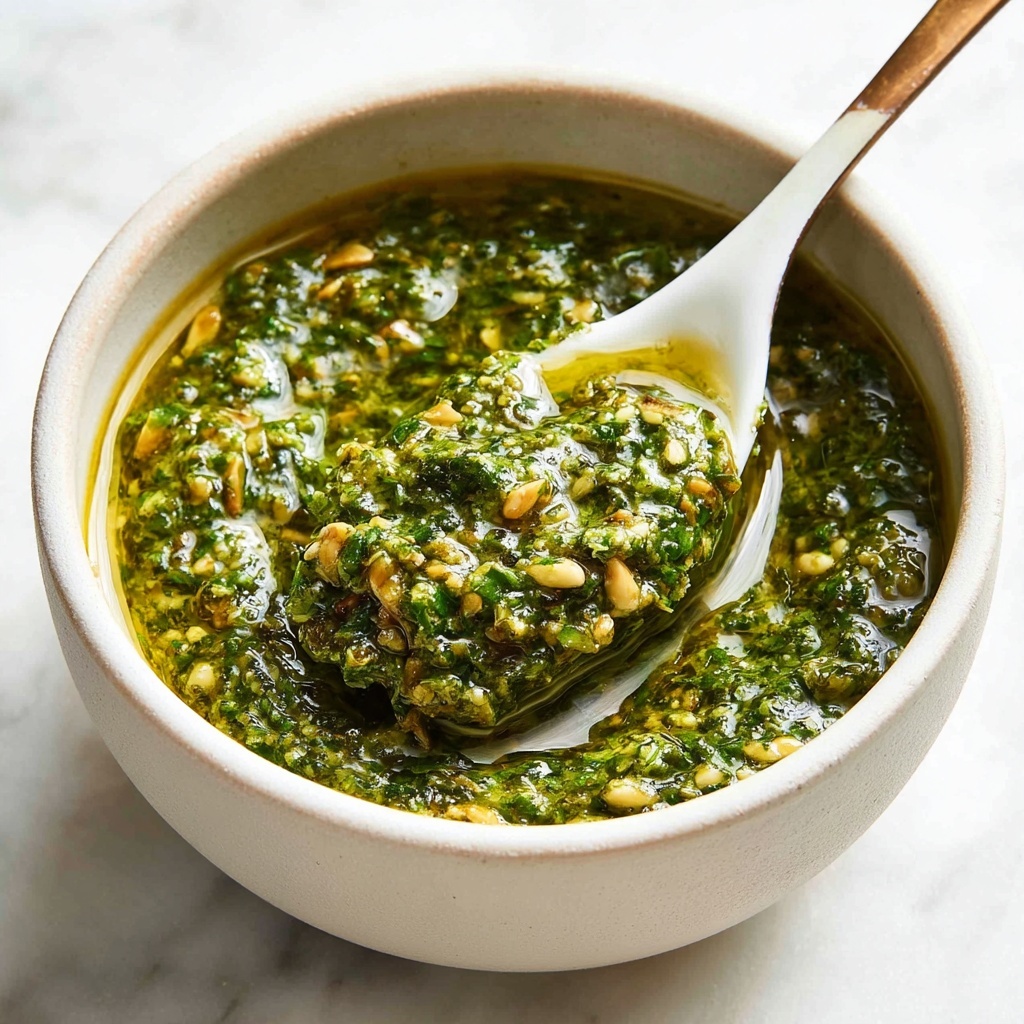
If you are on the lookout for a bright, flavorful sauce that can elevate any dish with the herbaceous magic of fresh basil, you simply must try this Fresh Basil Pesto Recipe. It’s an utterly delightful blend of toasted pine nuts, fragrant basil leaves, sharp parmesan, and vibrant olive oil that comes together in minutes to create a velvety, savory paste bursting with sunshine and depth. Whether you drizzle it over pasta, slather it on sandwiches, or swirl it into soups, this recipe quickly becomes a kitchen staple you’ll reach for again and again.
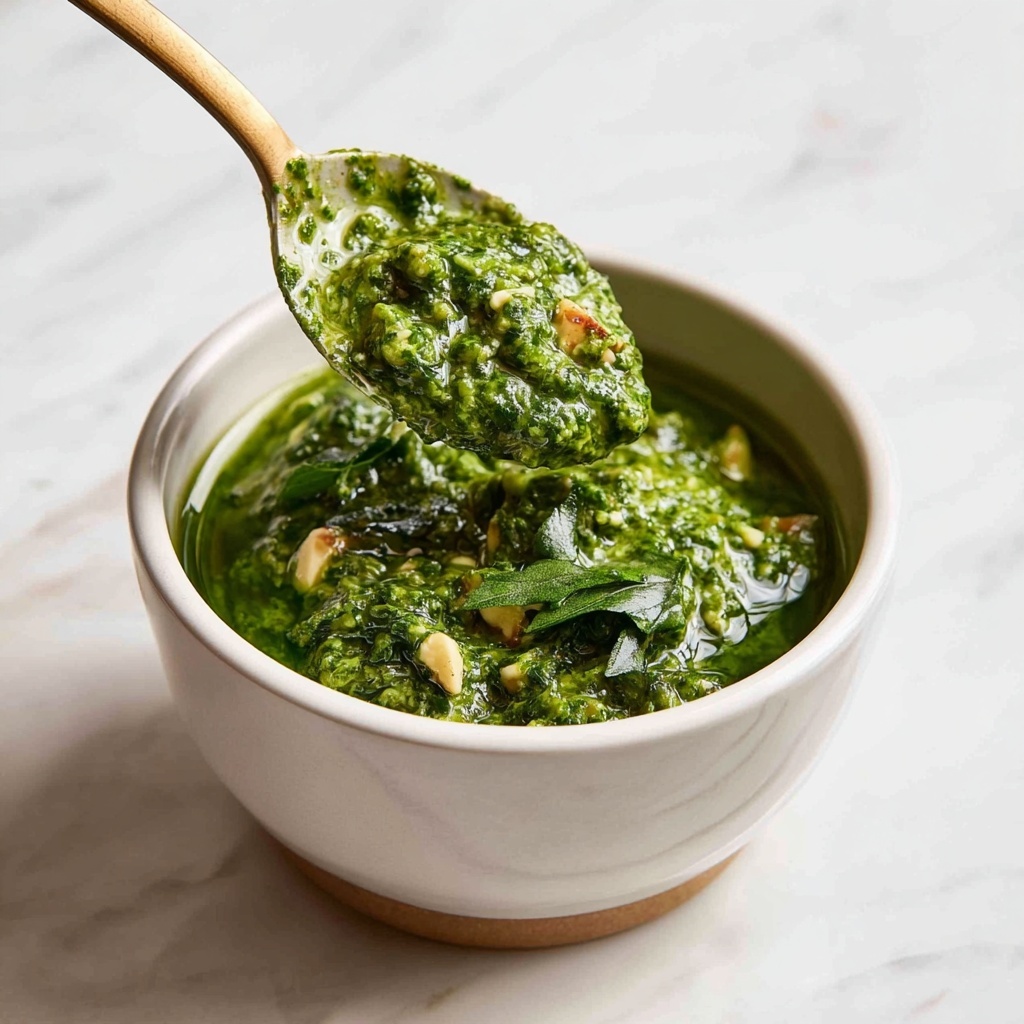
Ingredients You’ll Need
What makes this Fresh Basil Pesto Recipe so special is how simple yet essential each ingredient is—every element contributes a unique layer of flavor, texture, and color that harmonizes perfectly in the final sauce.
- 2 tablespoons pine nuts: Toasted to golden perfection for a nutty crunch and buttery undertone.
- 2 cups fresh basil leaves: These are the vibrant green stars that give pesto its signature brightness and aroma.
- 1/2 cup finely grated parmesan: Adds a sharp, salty bite and creamy texture to balance the herbs.
- 1/2 teaspoon cooking/kosher salt: Enhances all the flavors and brings everything together.
- 1/4 teaspoon black pepper: A gentle warmth that complements the bold basil without overpowering it.
- 1 small garlic clove: Provides a subtle, zesty kick that wakes up the taste buds.
- 7 tablespoons extra virgin olive oil: The silky base that binds the pesto and adds fruitiness and depth.
How to Make Fresh Basil Pesto Recipe
Step 1: Toast the Pine Nuts
Start by warming a small skillet over medium-high heat—no oil needed here! Add the pine nuts and gently toast them until they turn a beautiful light brown. This step awakens their nutty flavor and adds a wonderful crunch. Be sure to remove them immediately after toasting so that they don’t burn. Let them cool slightly before moving on to the next step.
Step 2: Blitz the Basil and Cheese
Place your toasted pine nuts into a food processor or blender along with the fresh basil leaves, grated parmesan, salt, black pepper, and garlic clove. Pulse until everything is finely chopped but not yet smooth—this texture is key to a luscious pesto with plenty of character.
Step 3: Add Olive Oil Slowly
With the blender running, slowly drizzle the extra virgin olive oil through the feeder tube. Keep blitzing until the pesto reaches a creamy, smooth consistency that’s just right for spreading or stirring into dishes. If you find the pesto a bit too thick, feel free to add a little more olive oil or even a splash of water to loosen it to your favorite texture.
Step 4: Alternative Method with Handheld Blender
If you don’t have a food processor, no worries! Simply place all the ingredients, including the olive oil, into a deep bowl and use a handheld immersion blender. Blend until smooth, stopping to scrape the sides as needed. This method works just as beautifully and is great for quick, fuss-free pesto making.
How to Serve Fresh Basil Pesto Recipe
Garnishes
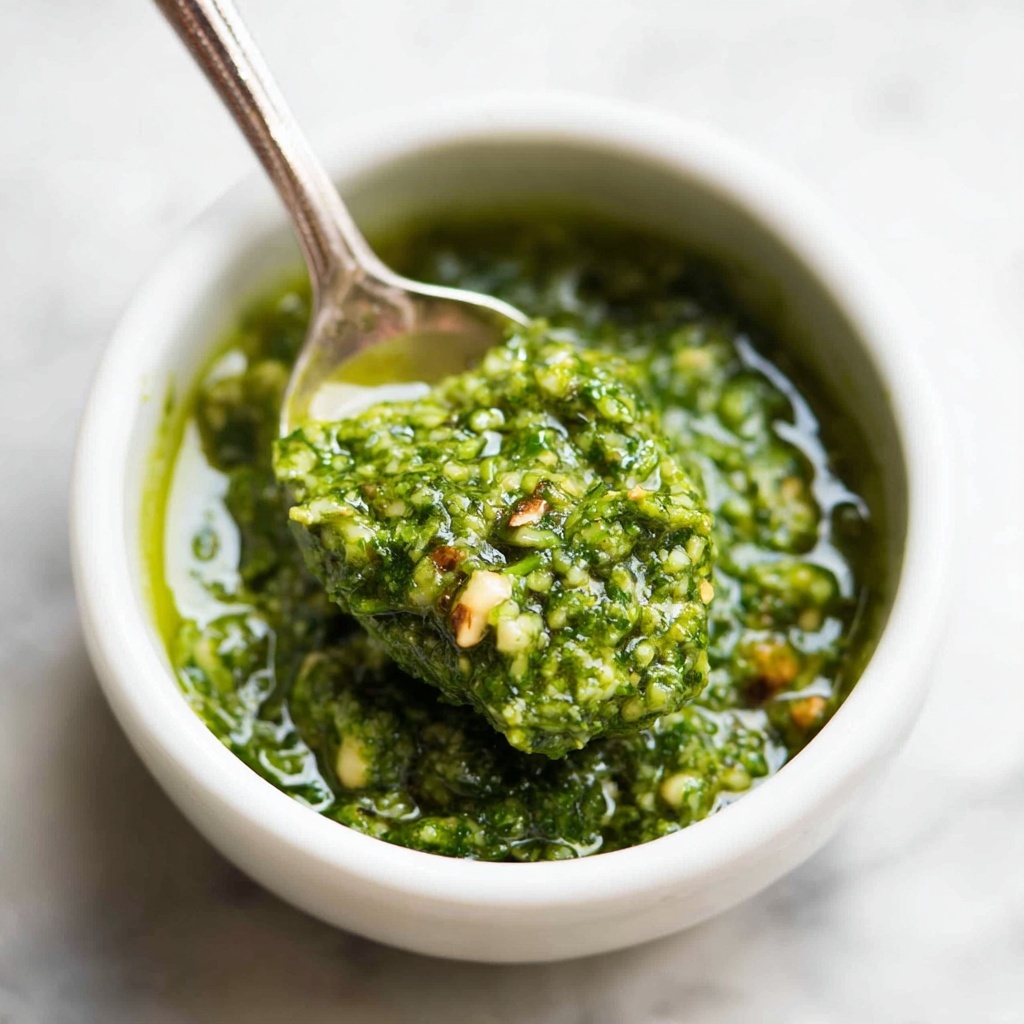
Pesto is incredibly versatile as a garnish! A fresh sprinkle of extra parmesan or a few whole basil leaves on top adds vibrant color and a burst of flavor. A drizzle of olive oil over the finished dish also gives it a glossy, inviting finish that looks as good as it tastes.
Side Dishes
This Fresh Basil Pesto Recipe pairs wonderfully with a variety of side dishes. Toss it into al dente pasta for an easy yet elegant meal, swirl it into roasted vegetables for an herbaceous lift, or mix it with creamy mashed potatoes to bring new life to a traditional favorite. It also works wonders as a topping on crusty bread or grilled chicken.
Creative Ways to Present
Want to impress guests? Serve pesto in small ramekins alongside antipasti platters, or use it as a dip for fresh breadsticks and crudités. You can also layer it between slices of heirloom tomatoes and mozzarella for a vibrant Caprese-inspired appetizer. The color and flavor make the pesto a natural star of any table.
Make Ahead and Storage
Storing Leftovers
Fresh pesto is best enjoyed right away, but if you have leftovers, store them in an airtight container in the fridge. To keep the vibrant green color and fresh flavor, drizzle a thin layer of olive oil on top before sealing. It will stay fresh for up to one week.
Freezing
If you want to enjoy this Fresh Basil Pesto Recipe beyond the week, freezing is an excellent option. Portion the pesto into ice cube trays, freeze until solid, then transfer the cubes to a freezer-safe bag. These frozen cubes can be popped out to add a punch of flavor whenever you need it, lasting up to three months in the freezer.
Reheating
Pesto is generally served cold or at room temperature, but if you want to warm it slightly, do so gently. Stir the pesto into warm pasta or a bit of broth rather than heating it directly to preserve its fresh flavor and vibrant color.
FAQs
Can I use other nuts instead of pine nuts?
Absolutely! While pine nuts are traditional and provide a buttery flavor, you can substitute walnuts, almonds, or cashews for a different but still delicious twist.
Do I need to wash the basil leaves before using?
Yes, always give your basil leaves a quick rinse to remove any dirt or grit. Pat them dry gently with a clean towel so the pesto doesn’t get watery.
Can I make this pesto vegan?
Yes! Simply omit the parmesan or replace it with a vegan cheese alternative or nutritional yeast to maintain the cheesy depth without animal products.
How long does homemade pesto last in the fridge?
When stored properly with a layer of olive oil on top, pesto can last up to a week refrigerated. Beyond that, it may lose its freshness and vibrant taste.
Is it okay to use a food processor or should I stick to a blender?
Both work well for making this Fresh Basil Pesto Recipe. A food processor typically offers more control over texture, but a blender or immersion blender will also deliver fantastic results.
Final Thoughts
This Fresh Basil Pesto Recipe is truly a celebration of simple ingredients coming together in a way that’s vibrant, creamy, and full of flavor. Once you make it, you’ll find it hard to go back to store-bought versions. Whether you’re a seasoned cook or just starting out, this pesto brings a burst of freshness and a touch of sunshine to your meals. Give it a try—you might just find your new favorite sauce!
Print
Fresh Basil Pesto Recipe
- Prep Time: 10 minutes
- Cook Time: 0 minutes
- Total Time: 10 minutes
- Yield: 1 1/4 cups
- Category: Sauce
- Method: Blending
- Cuisine: Italian
- Diet: Vegetarian
Description
This classic homemade pesto recipe combines fresh basil, toasted pine nuts, parmesan cheese, garlic, and high-quality extra virgin olive oil to create a vibrant, flavorful sauce perfect for pasta, sandwiches, or as a dip. With just a few simple ingredients and quick preparation, you can make a fresh and aromatic pesto that elevates any dish.
Ingredients
Main Ingredients
- 2 tablespoons pine nuts
- 2 cups (60g / 2oz) fresh basil leaves (tightly packed)
- 1/2 cup (50g) parmesan cheese, finely grated (tightly packed)
- 1/2 teaspoon cooking or kosher salt
- 1/4 teaspoon black pepper
- 1 small garlic clove
- 7 tablespoons extra virgin olive oil (best quality)
Instructions
- Toast pine nuts: Preheat a small skillet over medium-high heat without oil. Add the pine nuts and toast, stirring frequently, until they turn light brown and fragrant. Remove immediately to a plate to cool slightly to prevent burning.
- Prepare the pesto base: Place the toasted pine nuts, fresh basil leaves, grated parmesan cheese, salt, black pepper, and garlic clove in a food processor or blender. Pulse until the ingredients are finely chopped but not fully pureed.
- Incorporate olive oil: With the processor running, slowly drizzle in the extra virgin olive oil through the feed tube until the mixture becomes smooth and emulsified. If the pesto is too thick, add a little more olive oil or a splash of water to reach your desired consistency.
- Alternative blending method: For a more hands-on approach, place all ingredients including the olive oil in a bowl and blend using a handheld immersion blender until the pesto is creamy and smooth.
Notes
- For best flavor, use fresh basil leaves and high-quality extra virgin olive oil.
- Toast the pine nuts carefully to avoid bitterness from overcooking.
- This pesto can be stored in an airtight container in the refrigerator for up to 4 days; cover with a thin layer of olive oil to prevent discoloration.
- To freeze, place pesto in an ice cube tray and freeze, then transfer pesto cubes to a freezer bag for later use.
- Adjust garlic and cheese quantities to taste for a milder or stronger pesto flavor.