“`html
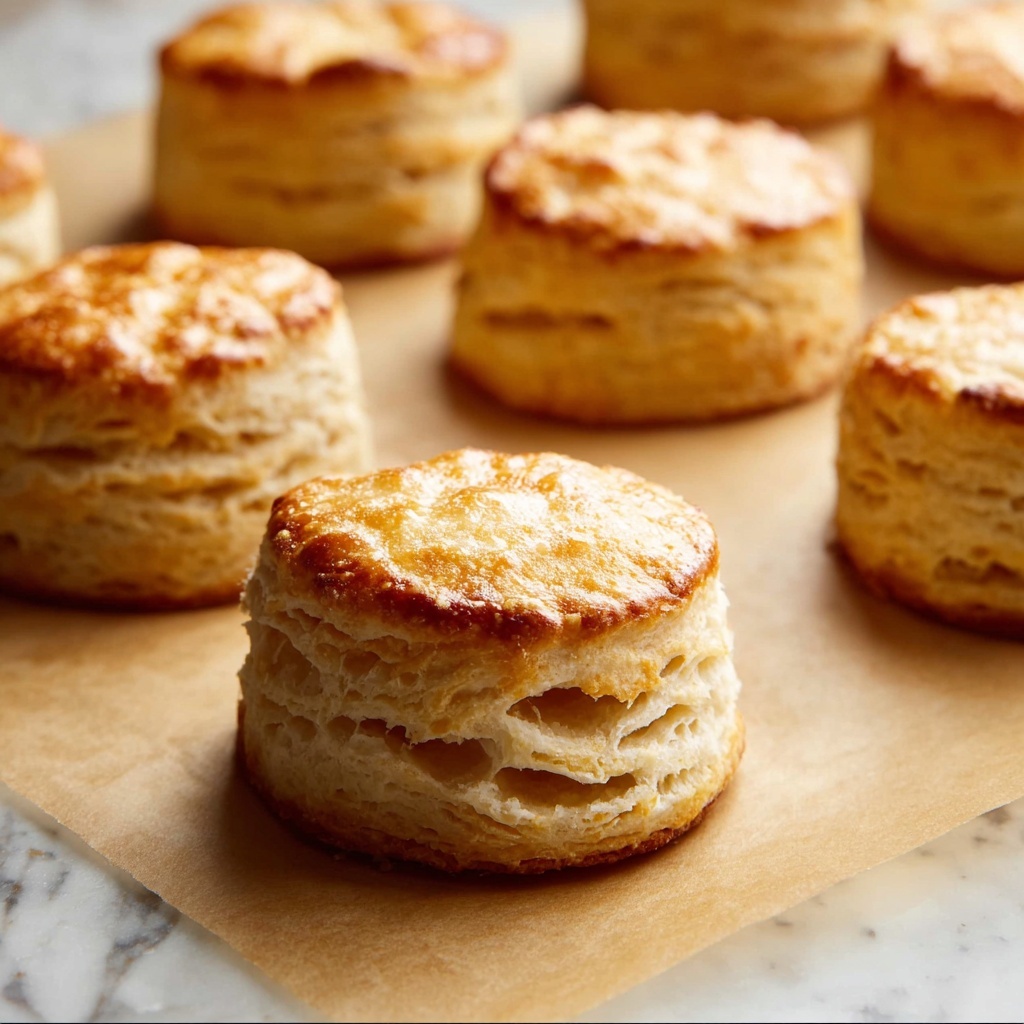
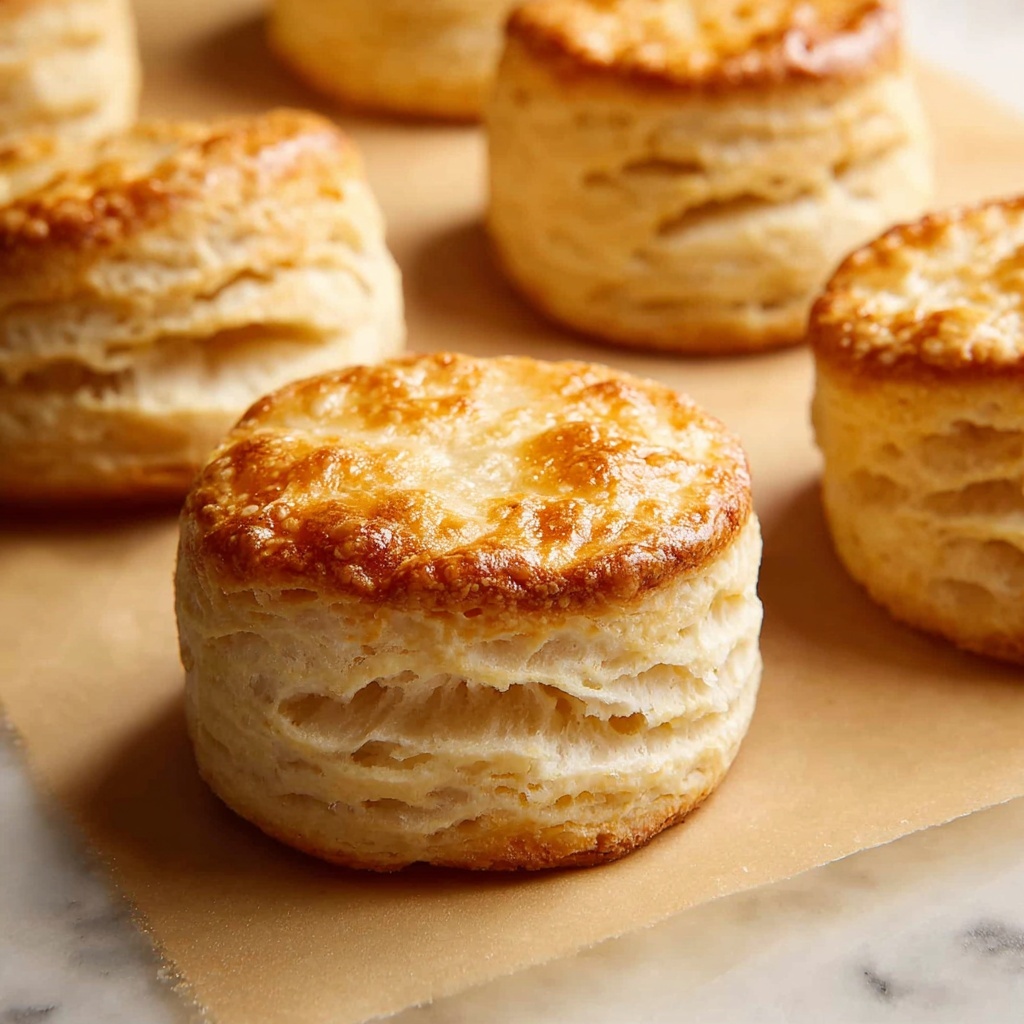
If you have been searching for a timeless Southern classic that melts in your mouth and fills your kitchen with the most irresistible aroma, this Buttermilk Biscuits Recipe is exactly what you need. Soft, flaky, and perfectly golden, these biscuits have a tender crumb that comes from just the right balance of cold butter and tangy buttermilk. They rise beautifully in the oven to deliver that fluffy texture everyone craves, making them the ultimate comfort food to enjoy any time of day.
Ingredients You’ll Need
These ingredients come together in the simplest way but each plays a vital role in creating the perfect biscuit. From the flakiness lent by cold butter to the subtle tang from buttermilk, every component enhances texture, flavor, and color for a truly delightful bite.
- 2 cups all-purpose flour (240 grams): Provides the structure for the biscuits, choose a light, fresh flour for best results.
- 1 tablespoon baking powder (12 grams): The leavening agent that helps the biscuits rise with a fluffy texture.
- ¼ teaspoon baking soda: Works alongside the acid in the buttermilk to give extra lift and tenderness.
- 1 tablespoon granulated sugar (13 grams): Adds a hint of sweetness that balances the savory notes.
- 1 teaspoon kosher salt (3 grams): Enhances all the flavors and prevents the biscuits from tasting flat.
- 7 tablespoons unsalted butter (99 grams, cold and sliced thin): Keeps the dough cold to create layers of flaky goodness.
- ¾ cup cold buttermilk (170 grams, plus more for brushing): Adds moisture and a subtle tang that makes these biscuits unique.
How to Make Buttermilk Biscuits Recipe
Step 1: Preheat and Prepare
Start by heating your oven to 425°F. While the oven warms up, line a baking sheet with parchment paper to keep your biscuits from sticking and to ensure easy cleanup. Setting the right oven temperature upfront is crucial for that rapid rise and golden crust.
Step 2: Mix Dry Ingredients
Whisk together the flour, baking powder, baking soda, sugar, and salt in a large bowl. This step evenly distributes the leavening agents so your biscuits rise uniformly and have consistent flavor throughout.
Step 3: Cut in the Butter
Add the thin slices of cold butter to the dry mix. Using a pastry cutter, fork, or even your hands, quickly work the butter into the flour until the mixture looks like coarse peas. This technique is the secret to flaky layers, so don’t overwork it.
Step 4: Add the Buttermilk
Pour in the cold buttermilk and gently stir until the dough just comes together. Avoid overmixing; you want the dough shaggy yet cohesive—this keeps your biscuits tender and fluffy.
Step 5: Shape the Dough
Turn out the dough onto a floured surface and pat or roll it into a rectangle about ¾ inch thick. This shape will make the folding step easier and ensures even thickness for the final biscuits.
Step 6: Fold for Layers
Fold one side of the dough into the center, then fold the other side over it, like folding a letter. Flatten it again to ¾ inch, then fold once more. Repeat this process three times in total. These folds create the layers that make biscuits delightfully flaky.
Step 7: Final Flattening
After your last fold, gently flatten the dough once more to about ¾ inch thickness, ready for cutting. Keep your hands and the surface lightly floured to prevent sticking.
Step 8: Cut the Biscuits
Use a 2-3 inch biscuit cutter to cut straight down into the dough without twisting. Twisting seals the edges and can prevent a good rise. Gather the scraps, gently press them back together, and keep cutting until all the dough is used.
Step 9: Bake the Biscuits
Arrange your biscuits on the parchment-lined baking sheet, leaving a little space between each. Brush the tops with a bit of buttermilk to encourage a golden, shiny crust. Bake in the preheated oven for around 15 minutes or until beautifully golden.
Step 10: Cool and Enjoy
Once out of the oven, let your biscuits cool for about 5 minutes. This rest allows the crumb to settle perfectly while still offering that warm, melt-in-your-mouth experience when you dig in.
How to Serve Buttermilk Biscuits Recipe
Garnishes
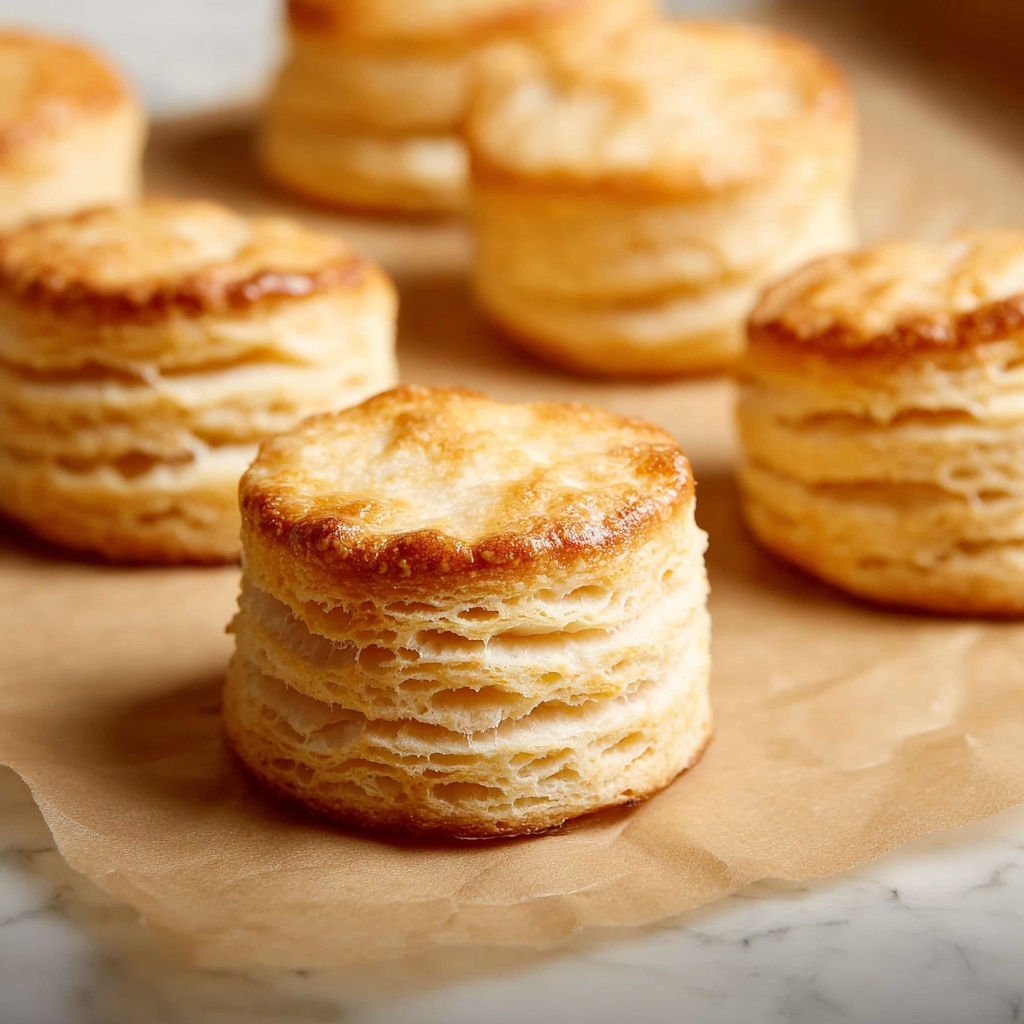
These biscuits are delightful on their own, but adding a pat of melting butter or a drizzle of honey instantly elevates them. Fresh herbs like chives or parsley sprinkled on top also bring a fresh, pretty touch that brightens the flavor.
Side Dishes
Serving these biscuits alongside a bowl of hearty chicken stew, creamy gravy, or even a classic breakfast spread makes the meal feel complete. Their slight tang and fluffy texture perfectly complement rich or savory dishes.
Creative Ways to Present
Try slicing the biscuits in half and stuffing them with fried chicken or scrambled eggs for a fantastic handheld meal. You can also tear them up and use as a base for a panzanella-style biscuit salad or serve mini biscuit sliders for a fun twist.
Make Ahead and Storage
Storing Leftovers
Leftover biscuits can be stored in an airtight container at room temperature for up to two days without losing their tender crumb. To maintain freshness, avoid refrigerating as it can dry them out quickly.
Freezing
To keep biscuits longer, freeze them in a sealed plastic bag after they have completely cooled. They freeze well for up to 2 months, making them perfect for quick breakfasts or snacks anytime.
Reheating
Reheat your biscuits gently in a warm oven (about 350°F) for 5-7 minutes or pop them in the toaster oven until warmed through. If microwaving, wrap them in a damp paper towel to keep moisture and softness intact.
FAQs
Can I substitute regular milk for buttermilk in this recipe?
While buttermilk’s acidity helps tenderize the dough and activate the baking soda, you can substitute regular milk mixed with a tablespoon of lemon juice or vinegar per cup to mimic that effect. The texture might vary slightly but will still be delicious.
Why is cold butter important in this Buttermilk Biscuits Recipe?
Cold butter creates steam pockets during baking, which helps produce flaky, layered biscuits. If the butter melts before baking, the texture could become dense and less tender.
Can I make these biscuits gluten-free?
You can experiment with gluten-free flour blends, but keep in mind that the texture and rise may differ. Look for blends designed for baking and add a bit of xanthan gum if your blend lacks it.
Is it better to use a biscuit cutter or a glass to cut the biscuits?
A biscuit cutter is ideal because of its thin, sharp edge that cuts cleanly without twisting, ensuring your biscuits rise properly. A glass can work in a pinch, but be careful not to twist when pressing down.
What’s the best way to get flaky layers in my biscuits?
The key is cold butter, minimal handling, and folding the dough several times as described in this Buttermilk Biscuits Recipe. These steps create distinct layers that puff up beautifully when baked.
Final Thoughts
There’s something truly special about homemade biscuits, and this Buttermilk Biscuits Recipe will quickly become your go-to for breakfast, dinner, or anytime you crave a bite of warm, flaky comfort. Give it a try, share them with friends, and savor every buttery, tender mouthful!
“`
Print
Buttermilk Biscuits Recipe
- Prep Time: 20 minutes
- Cook Time: 15 minutes
- Total Time: 35 minutes
- Yield: 8 – 8 biscuits
- Category: Baking
- Method: Baking
- Cuisine: Southern American
Description
Classic Southern-style buttermilk biscuits that are flaky, tender, and golden brown, perfect for breakfast or as a side to any meal. These biscuits are made with simple ingredients including all-purpose flour, cold butter, and buttermilk, with a traditional folding technique that creates layers and a light texture.
Ingredients
Dry Ingredients
- 2 cups all-purpose flour (240 grams)
- 1 tablespoon baking powder (12 grams)
- ¼ teaspoon baking soda
- 1 tablespoon granulated sugar (13 grams)
- 1 teaspoon kosher salt (3 grams)
Wet Ingredients
- 7 tablespoons unsalted butter, cold and sliced thin (99 grams, ⅞ stick)
- ¾ cup cold buttermilk (170 grams), plus more for brushing the biscuits
Instructions
- Preheat and prepare baking sheet: Preheat your oven to 425°F (218°C). Line a baking sheet with parchment paper to prevent sticking and to ensure the biscuits bake evenly.
- Mix dry ingredients: In a large bowl, whisk together the all-purpose flour, baking powder, baking soda, sugar, and kosher salt until the mixture is well combined.
- Cut in the butter: Add the cold, sliced butter to the dry ingredients. Use a pastry cutter, fork, or your hands to incorporate the butter into the flour mixture until the pieces are about the size of peas, creating a crumbly texture with bits of butter.
- Add buttermilk: Pour the cold buttermilk into the mixture and gently stir just until the dough comes together. Avoid overmixing to keep the biscuits tender.
- Roll out dough: Transfer the dough to a floured work surface. Lightly flour your hands and pat or roll the dough into a rectangle about ¾-inch thick, flouring the dough surface as needed to prevent sticking.
- Fold the dough: Fold one side of the rectangle into the center, then fold the opposite side over it, like folding a letter. Flatten the dough back to a ¾-inch thick rectangle. Repeat this folding and flattening process one more time for a total of three folds. This layering helps create flakiness in the biscuits.
- Final flattening: After the last fold, flatten the dough one last time into a ¾-inch thick rectangle to prepare for cutting.
- Cut the biscuits: Use a 2-3 inch biscuit cutter to cut out the biscuits from the dough. Press the cutter straight down without twisting to ensure the biscuits rise evenly. Gather and reroll any scraps to cut out additional biscuits until all dough is used.
- Bake: Place the cut biscuits onto the prepared baking sheet. Brush the tops lightly with extra buttermilk for a golden finish. Bake in the preheated oven for about 15 minutes or until the biscuits have turned golden brown.
- Cool and serve: Remove the biscuits from the oven and allow them to cool for 5 minutes before serving warm. Enjoy them fresh as a delightful accompaniment to breakfast or any meal.
Notes
- Keep the butter and buttermilk as cold as possible to ensure flaky layers.
- Do not twist the biscuit cutter when cutting to prevent sealing the edges, which can inhibit rising.
- Use fresh baking powder and baking soda for best leavening results.
- Serve warm with butter, honey, or your favorite jam for best flavor.