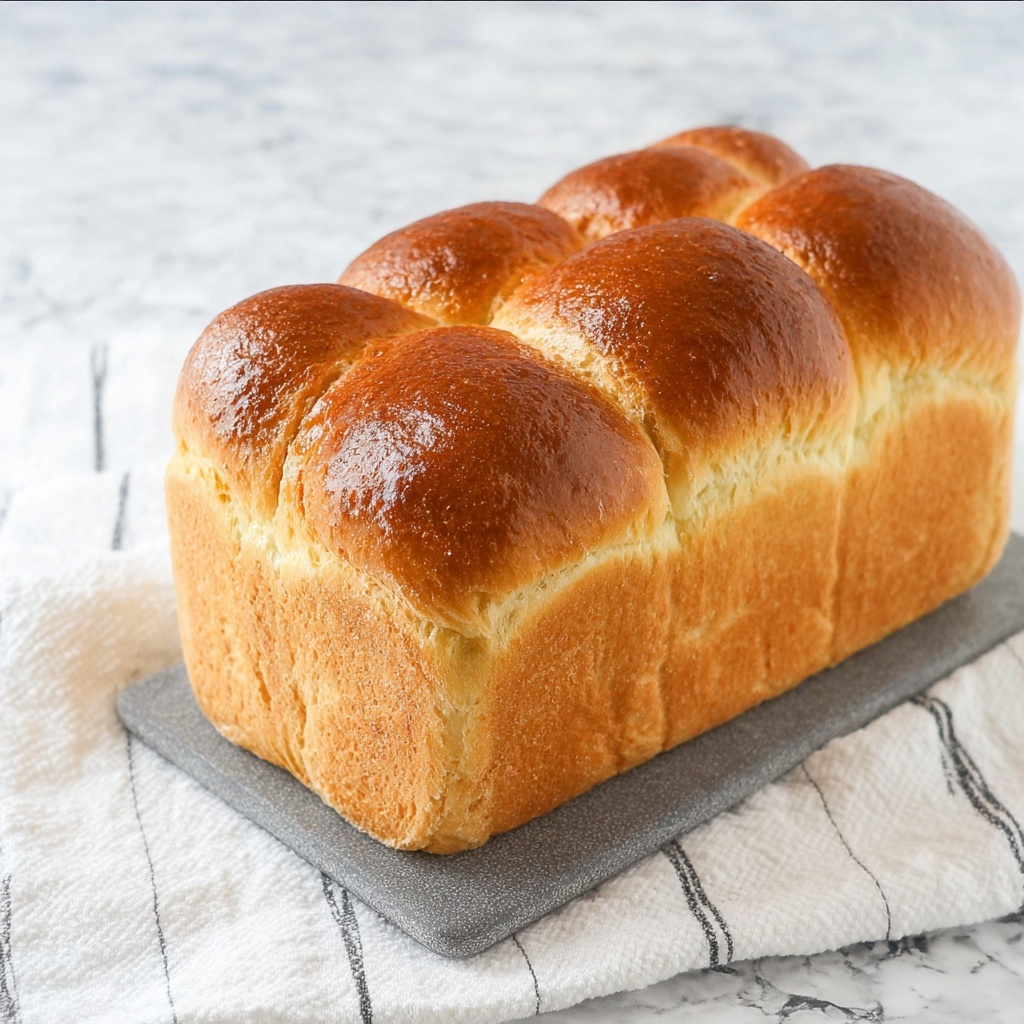
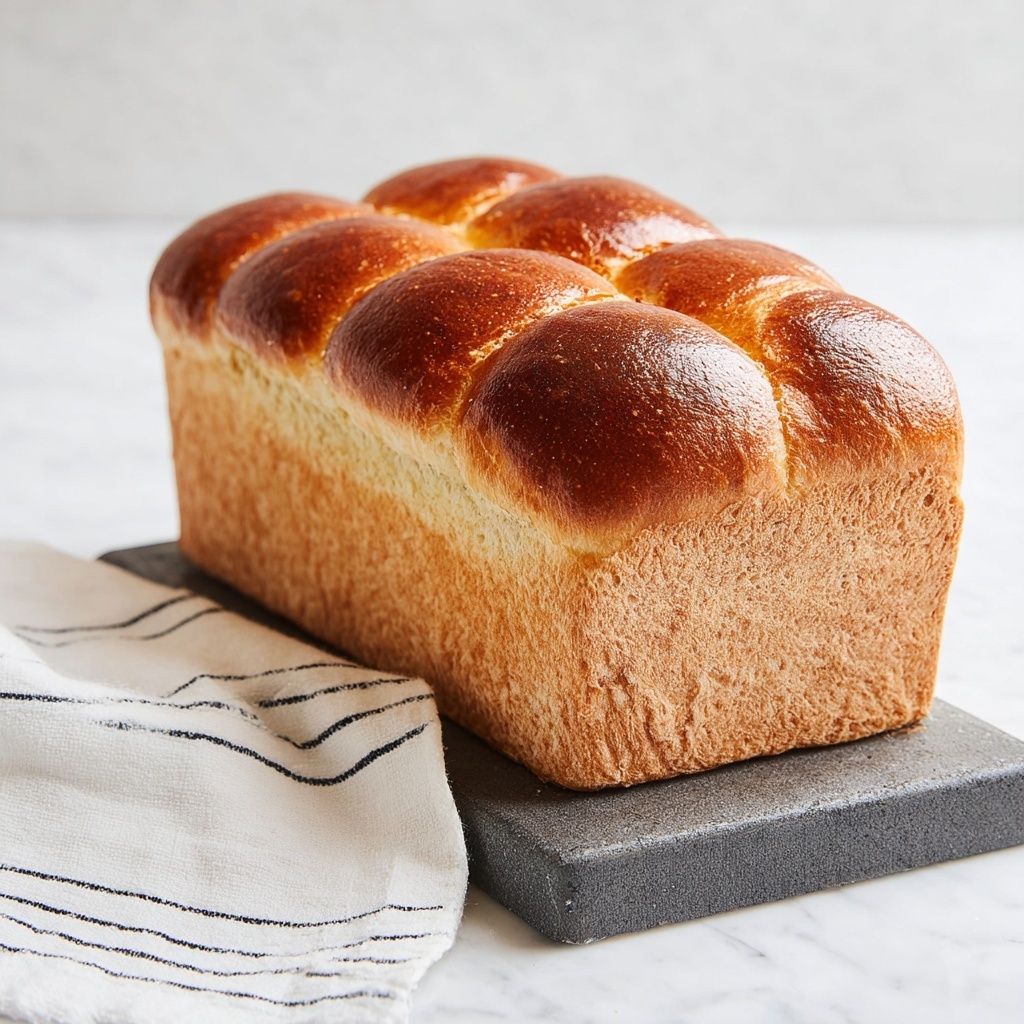
If you’ve ever tasted a loaf of bread so soft and pillowy that it feels like biting into a cloud, then you’re in for a treat with this Japanese Milk Bread Recipe. Known for its unbelievably tender crumb and slightly sweet flavor, this bread is a staple in Japanese bakeries and home kitchens alike. It’s perfect for sandwiches, toast, or enjoying just as it is, fresh from the oven. This Japanese Milk Bread Recipe transforms simple pantry staples into the kind of bread you’ll want to bake again and again, with a texture that’s fluffy yet rich, and a crust that’s tender, not tough.
Ingredients You’ll Need
Gathering the right ingredients is half the fun and ensures your Japanese Milk Bread turns out just perfect. Each component plays a key role, from the flour that provides structure, to the milk and butter that create that soft, sweet texture and golden crust.
- ½ cup Water: Helps activate the yeast and hydrate the flour for a soft dough.
- ⅓ cup Bread flour: Supports gluten formation for the bread’s structure.
- ½ cup Milk: Adds tenderness and a subtle sweetness to the loaf.
- 2 ⅔ cups Bread flour: The main flour for the dough, providing strength and chewiness.
- ¼ cup Sugar: Sweetens the bread and feeds the yeast for a good rise.
- 1 large Egg (room temperature): Adds richness and improves the bread’s texture.
- 1 pkg Active dry yeast: The magical ingredient that makes the bread rise beautifully.
- ½ cup Warm milk: Activates the yeast gently without killing it.
- ¼ cup Warm milk (or 1 egg white for brushing bread): Creates a glossy, golden crust when brushed on.
- 4 tbsp Salted butter: Infuses the dough with richness and helps soften the crumb.
How to Make Japanese Milk Bread Recipe
Step 1: Prepare the Tangzhong
Start by making the tangzhong, a cooked mixture of flour and water that makes this bread incredibly soft and fresh for days. Combine ⅓ cup bread flour with ½ cup water in a small saucepan, stirring constantly over medium heat until it thickens to a pudding-like consistency. Let it cool completely before moving on. This step may sound fancy, but it’s the secret behind that irresistible softness.
Step 2: Activate the Yeast
In a separate bowl, sprinkle the active dry yeast into ½ cup of warm milk and add a pinch of sugar. Let it sit for about 5 to 10 minutes until it becomes frothy and bubbly. This means your yeast is alive and ready to leaven the bread to fluffy perfection.
Step 3: Mix the Dough
In a large mixing bowl, combine the cooled tangzhong, activated yeast milk, ½ cup milk, sugar, egg, and 2 ⅔ cups bread flour. Mix everything until it starts coming together, then add the softened salted butter. Knead the dough for about 10 minutes until it’s smooth, elastic, and slightly tacky but not sticky. Kneading builds the gluten that gives bread that signature chew and structure.
Step 4: First Rise
Place the dough in a lightly greased bowl, cover it with a damp cloth or plastic wrap, and let it rise in a warm spot for about 1 to 2 hours, or until doubled in size. Watching this dough grow is like watching a little miracle happen, setting the stage for that light, airy texture.
Step 5: Shape the Loaf
Once risen, punch down the dough gently to release excess air. Divide it into four equal parts, shape each into a smooth ball, and arrange them side by side in a greased loaf pan. Cover and let it rise again for about 40 minutes until puffy.
Step 6: Bake and Glaze
Preheat your oven to 350°F (175°C). Before baking, brush the loaf with warm milk or egg white for that beautiful glossy finish. Bake for 30 to 40 minutes until the top is golden brown and the bread sounds hollow when tapped. Let the loaf cool slightly before slicing to enjoy that pillowy softness in every bite.
How to Serve Japanese Milk Bread Recipe
Garnishes
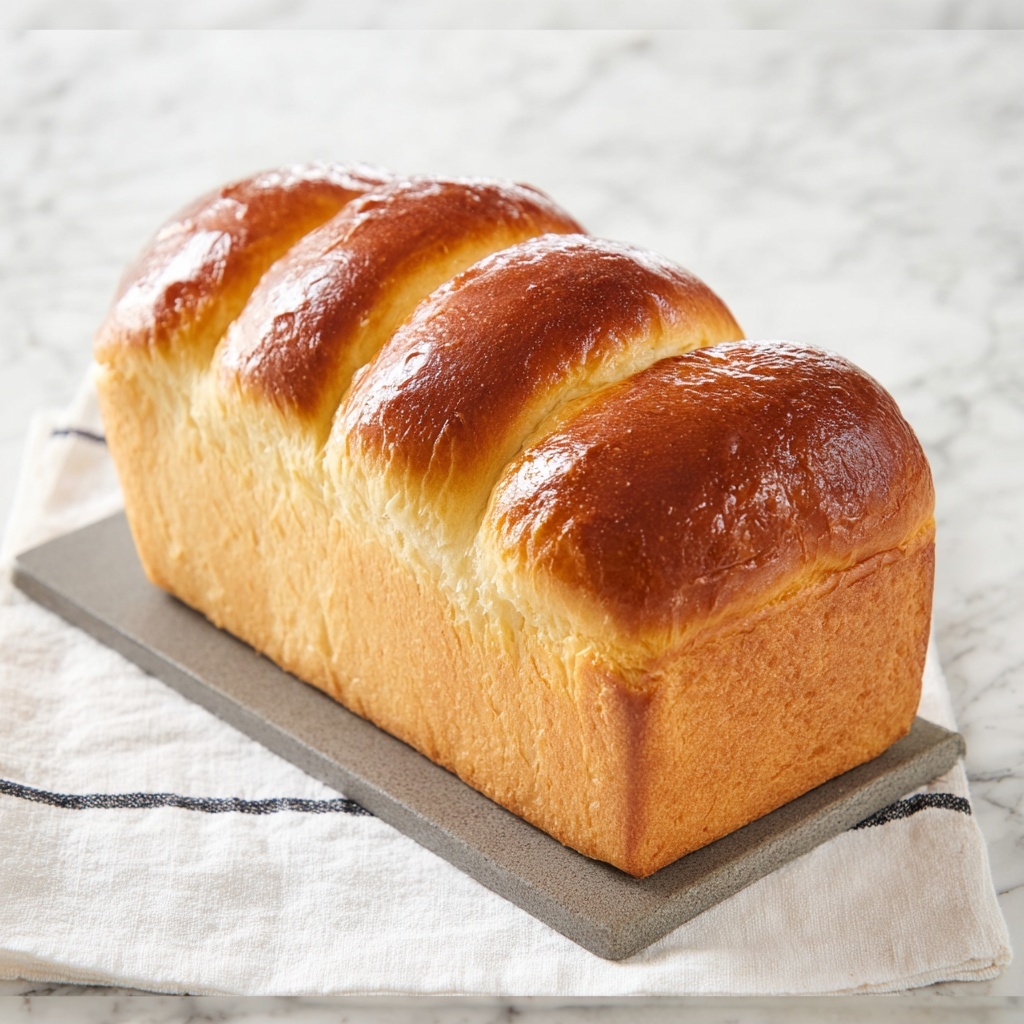
A simple brush of warm milk or an egg white wash gives the bread a lovely sheen, but you can also sprinkle sesame seeds or poppy seeds before baking for a subtle, nutty crunch. If you’re feeling fancy, a dusting of powdered sugar right before serving adds just a hint of sweetness.
Side Dishes
Japanese Milk Bread pairs beautifully with savory or sweet accompaniments. Try it with creamy soups like pumpkin or tomato bisque, or serve alongside scrambled eggs and crispy bacon for a luxurious breakfast. It also makes an unbeatable base for sandwiches, especially filled with soft cheeses, fresh veggies, or a hint of jam.
Creative Ways to Present
Transform your loaf into fluffy buns for individual portions or pull-apart bread for sharing at a dinner party. Toast slices gently and top with avocado and a sprinkle of chili flakes for a simple yet sophisticated snack. For a comforting treat, make French toast using this bread—the richness and softness absorb the egg mixture perfectly.
Make Ahead and Storage
Storing Leftovers
To keep your Japanese Milk Bread fresh, store it in an airtight container or bread bag at room temperature for up to 3 days. This bread’s soft crumb tends to slightly firm up as it cools, but storing it properly preserves its cloud-like texture.
Freezing
If you want to enjoy this delicious Japanese Milk Bread Recipe later, slice the loaf and freeze it in a resealable bag. You can keep it frozen for up to a month without losing that signature softness and flavor, perfect for busy mornings or unexpected guests.
Reheating
Refresh frozen or day-old slices by gently toasting them or warming in a low oven for 5–7 minutes wrapped in foil. Adding a little butter while reheating enhances the moist, tender texture and brings back the fresh-baked magic.
FAQs
What is tangzhong and why is it important in Japanese Milk Bread Recipe?
Tangzhong is a cooked mixture of flour and water that is added to the dough to increase moisture retention. It makes the bread softer and helps keep it fresh for longer, giving this bread its famously tender and fluffy texture.
Can I make Japanese Milk Bread Recipe without bread flour?
You could substitute all-purpose flour, but bread flour is preferred because it has a higher protein content that helps create the elastic dough structure necessary for the soft yet sturdy crumb.
Why is there both warm milk and water in the recipe?
The water is used in the tangzhong to gelatinize the starches in the flour while the milk is used to hydrate the dough and activate the yeast. The combination results in a super soft and slightly sweet bread.
Can I use instant yeast instead of active dry yeast for this recipe?
Yes, instant yeast works well and can be mixed directly into the flour without proofing. Just reduce the water slightly if using instant yeast and keep an eye on rising times as they may be faster.
How do I know when the bread is fully baked?
The crust should be a deep golden brown, and when tapped gently on the bottom, the loaf should sound hollow. Using an instant-read thermometer, the internal temperature should reach about 190°F (88°C).
Final Thoughts
There’s something truly rewarding about baking this Japanese Milk Bread Recipe from scratch and pulling warm, soft slices from your oven. It’s a bread that feels like a warm hug in every bite, perfect for everything from simple sandwiches to elegant brunches. Give it a try—you’ll be amazed at how such simple ingredients come together to create pure magic. Happy baking, my friend!
Print
Japanese Milk Bread Recipe
- Prep Time: 40 minutes
- Cook Time: 40 minutes
- Total Time: 1 hour 20 minutes plus proofing time (approx 3 hours total including rises)
- Yield: 10 slices
- Category: Bread
- Method: Baking
- Cuisine: Japanese
- Diet: Vegetarian
Description
Japanese Milk Bread, also known as Hokkaido milk bread, is a soft, fluffy, and slightly sweet bread that features a tender crumb and a delicate crust. This recipe uses a unique tangzhong starter technique that makes the bread exceptionally moist and airy, perfect for sandwiches or toast.
Ingredients
For Tangzhong (Water Roux):
- ½ cup Water
- ⅓ cup Bread flour
For Dough:
- ½ cup Milk
- 2 ⅔ cup Bread flour
- ¼ cup Sugar
- 1 large Egg (room temperature)
- 1 package Active dry yeast (about 2 ¼ tsp)
- ½ cup Warm milk
- 4 tbsp Salted butter, softened
For Brushing:
- ¼ cup Warm milk or 1 egg white
Instructions
- Prepare the Tangzhong: In a small saucepan, whisk together ½ cup water and ⅓ cup bread flour until smooth. Cook over medium heat, stirring constantly, until the mixture thickens to a pudding-like consistency. Remove from heat and let it cool to room temperature.
- Activate the yeast: In a small bowl, combine warm milk with active dry yeast and a pinch of sugar. Let it sit for 5-10 minutes until foamy, indicating the yeast is activated.
- Make the dough: In a large mixing bowl, combine the cooled tangzhong, bread flour, sugar, egg, activated yeast mixture, and the remaining ½ cup milk. Mix until a rough dough forms. Knead the dough—either by hand or with a stand mixer fitted with a dough hook—until smooth and elastic, about 10-15 minutes. Add softened butter and continue kneading until fully incorporated and the dough becomes glossy and elastic.
- First proofing: Place the dough in a lightly greased bowl, cover with a damp cloth or plastic wrap, and let it rise in a warm place for about 1 to 1½ hours, or until doubled in size.
- Shape the dough: Punch down the dough to release air. Divide it into equal portions (usually 10 for this yield). Shape each portion into a smooth ball. Arrange the balls in a greased loaf pan side by side.
- Second proofing: Cover the loaf pan and let the dough rise again for 30-45 minutes until it puffs up and nearly doubles.
- Preheat the oven: Preheat your oven to 350°F (175°C) while the dough completes its second rise.
- Brush and bake: Brush the top of the dough gently with warm milk or egg white to form a shiny crust. Bake in the preheated oven for about 35-40 minutes or until the top is golden brown and the bread sounds hollow when tapped.
- Cool the bread: Remove the bread from the oven and let it cool in the pan for 10 minutes. Then transfer it to a wire rack to cool completely before slicing.
Notes
- Using room temperature eggs and warm milk helps activate the yeast properly and results in better rise.
- Do not add too much flour during kneading to keep the bread soft and fluffy.
- If the top browns too quickly during baking, tent the loaf with aluminum foil.
- Store the bread wrapped in plastic to maintain moisture.
- For extra softness, brush the freshly baked bread with melted butter once cooled slightly.