
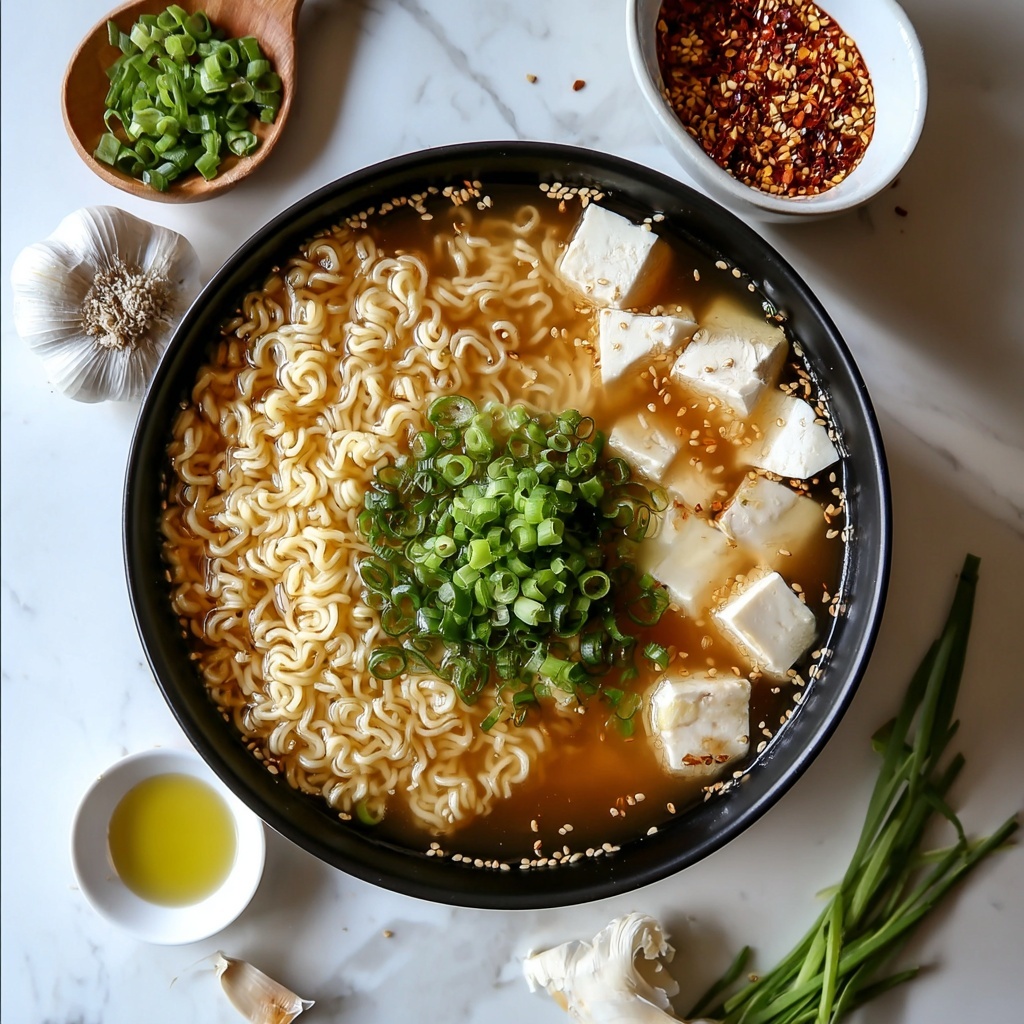
There is something truly magical about creating your own ramen from scratch, and the Homemade Shoyu Ramen Noodles Recipe is the perfect way to bring authentic Japanese flavors right into your kitchen. This recipe captures the essence of traditional shoyu ramen by focusing on fresh, handmade noodles that are springy, tender, and ready to soak up that savory soy sauce broth. Whether you’re a ramen aficionado or an adventurous home cook, mastering these noodles elevates every bowl you make, making each slurp deeply satisfying and full of love.
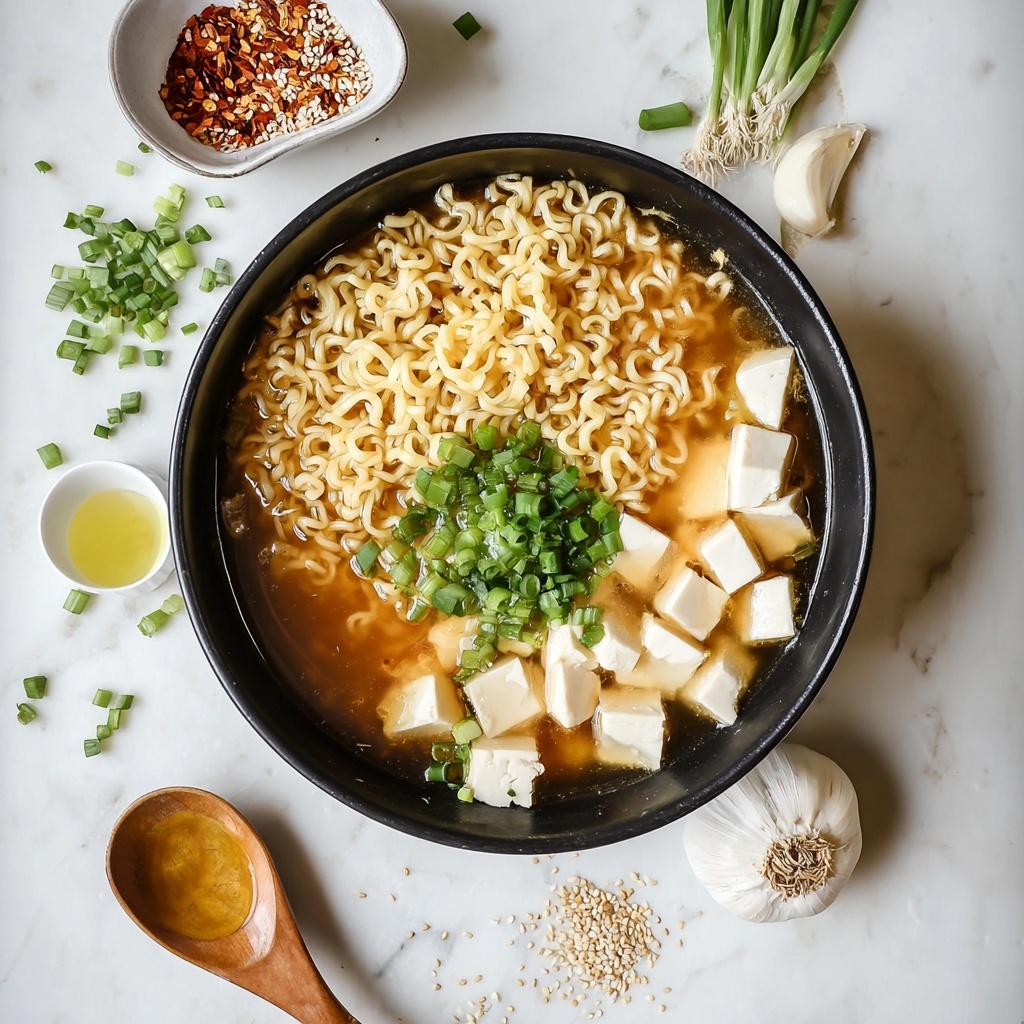
Ingredients You’ll Need
The beauty of this Homemade Shoyu Ramen Noodles Recipe lies in its simplicity, relying on just a handful of everyday ingredients. Each component plays a vital role, whether it’s giving the noodles their structure, adding subtle flavor, or ensuring the perfect chewiness.
- 2 cups all-purpose flour: The foundation of your noodles, providing structure and a tender bite when kneaded well.
- 1/2 teaspoon salt: Enhances flavor and tightens the gluten structure, helping the noodles hold together beautifully.
- 2 large eggs: Adds richness and color, plus helps bind the dough.
- 1/4 cup water: Hydrates the dough for elasticity and softness.
- 1/2 teaspoon baking soda: A clever addition that mimics the alkaline quality of kansui, giving ramen noodles their signature springy texture.
How to Make Homemade Shoyu Ramen Noodles Recipe
Step 1: Gather and Measure Your Ingredients
Starting with precision matters: collect your flour, salt, eggs, water, and baking soda. Knowing everything is on hand simplifies the process and sets you up for a smooth noodle-making experience.
Step 2: Mix the Dry Ingredients
Place the all-purpose flour into a large mixing bowl and sprinkle the salt evenly over it. This ensures your noodles have uniform seasoning and a balanced texture from the start.
Step 3: Beat the Eggs
In a separate bowl, lightly beat the eggs until the yolks and whites are fully combined. This helps distribute the egg evenly in the dough, resulting in a consistent color and richness.
Step 4: Combine Eggs and Flour
Pour the beaten eggs into the flour mixture gently, mixing slowly at first to avoid splashes. This gradual integration helps form the beginning of your dough.
Step 5: Add Water Gradually
Slowly pour the water into your flour and egg mixture, stirring constantly. The water hydrates the flour and brings the dough together without making it too sticky.
Step 6: Incorporate Baking Soda Solution
Dissolve the baking soda in a tablespoon of warm water before mixing it into the dough. This secret step gives your noodles that authentic ramen chew and texture, mimicking the effect of traditional alkaline water.
Step 7: Form the Dough
Mix with your hands or a spoon until the dough collects into a rough mass. Don’t worry if it looks shaggy at first—that’s just the beginning of something wonderful.
Step 8: Knead the Dough Thoroughly
Transfer the dough to a floured surface and knead it by folding and pressing repeatedly for about 8 to 10 minutes. The goal is a smooth, elastic dough that springs back when pressed, indicating it’s ready.
Step 9: Adjust Consistency if Necessary
If your dough feels too sticky, sprinkle a bit more flour and keep kneading. A tacky dough can be frustrating, but with some patience, you’ll achieve the perfect balance.
Step 10: Rest the Dough
Wrap the dough into a ball and cover it tightly with plastic wrap. Let it rest for at least 30 minutes at room temperature—this allows the gluten to relax, making the dough easier to roll out.
Step 11: Roll Out the Dough
After resting, unwrap and place the dough on a floured surface. Use a rolling pin to roll it out thinly, aiming for about 1/16 inch thick. Thin dough means delicate noodles that can absorb more broth.
Step 12: Cut into Noodles
Use a sharp knife or pasta cutter to slice the dough into long, thin strips. Dust them lightly with flour to keep them from sticking together during the rest of the prep.
Step 13: Cook the Noodles
Bring a large pot of water to a roaring boil, then add the noodles. Cook for 2 to 4 minutes until tender yet firm to the bite—a texture known as al dente that every ramen lover craves.
Step 14: Drain and Rinse
Drain the noodles carefully and rinse briefly under cold water. This stops the cooking process and washes away excess starch, ensuring your noodles stay springy and fresh for the perfect bowl.
How to Serve Homemade Shoyu Ramen Noodles Recipe
Garnishes
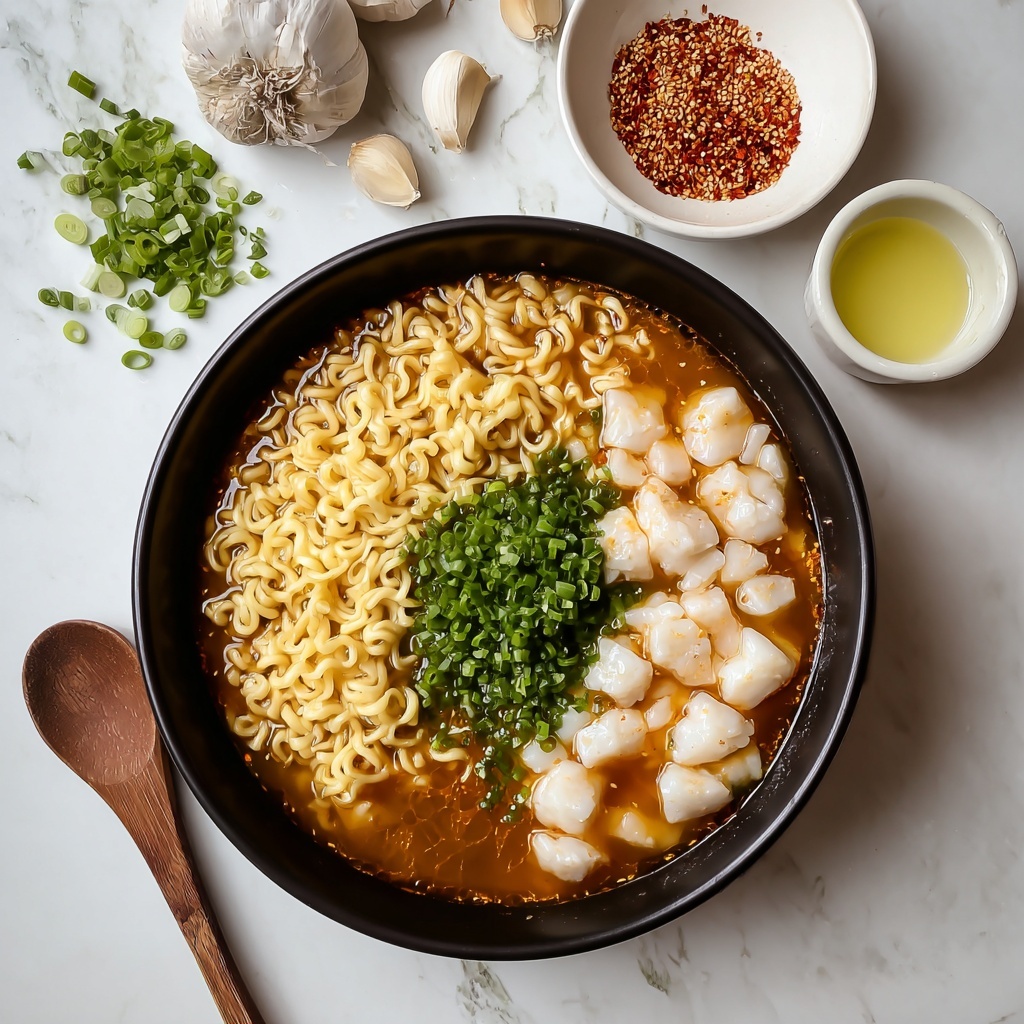
Nothing completes the experience like a thoughtful array of garnishes. Sliced green onions, thinly cut nori strips, soft boiled eggs with a slightly runny yolk, bamboo shoots, or even a sprinkle of toasted sesame seeds bring layers of texture and flavor that amplify your Homemade Shoyu Ramen Noodles Recipe.
Side Dishes
Pair your ramen noodles with light, complementary sides such as pickled vegetables, edamame, or even a simple cucumber salad. These add refreshing contrasts and encourage a balanced meal that’s as nutritious as it is delicious.
Creative Ways to Present
Why not get a little creative with your presentation? Serve your noodles in rustic ceramic bowls that keep them warm, garnish with edible flowers for a pop of color, or place them amidst a bed of fresh greens to add visual appeal and brighten every bite.
Make Ahead and Storage
Storing Leftovers
Store any leftover cooked noodles in an airtight container in the refrigerator. Keep them slightly coated with a bit of oil to prevent sticking, and they’ll remain fresh enough to enjoy within a day or two without losing their wonderful texture.
Freezing
If you want to make your Homemade Shoyu Ramen Noodles Recipe go further, freezing uncooked noodles is an excellent option. Dust them with flour, arrange them on a tray without overlapping, and freeze until solid before transferring to a freezer bag. This way, you can thaw and cook fresh noodles whenever the craving strikes.
Reheating
To reheat, briefly dunk the noodles in boiling water for a minute or two. This warms them evenly without overcooking, restoring that perfect chewiness you worked so hard to achieve.
FAQs
Can I use bread flour instead of all-purpose for this recipe?
While bread flour has more gluten and can yield chewier noodles, all-purpose flour provides a more balanced texture for ramen. You can experiment, but stick to all-purpose for the traditional feel of this Homemade Shoyu Ramen Noodles Recipe.
What’s the role of baking soda in the dough?
Baking soda acts as a substitute for the traditional alkaline water called kansui. It elevates the pH level, creating noodles that are springy, resilient, and have that signature ramen bite.
How thin should I roll the dough?
Rolling the dough to about 1/16 inch thickness is ideal—thin enough for tender, delicate noodles but thick enough to hold their shape and chew.
Can I make the dough ahead of time?
Absolutely! You can prepare and rest the dough, then refrigerate it wrapped tightly for up to 24 hours before rolling and cutting. Just bring it back to room temperature before working with it.
What broth pairs best with these noodles?
Because these noodles are made for shoyu ramen, a soy-based broth rich in umami flavors complements them perfectly. However, these noodles are versatile enough to shine in miso or chicken broths too.
Final Thoughts
Making your own noodles might sound intimidating, but this Homemade Shoyu Ramen Noodles Recipe breaks it down into simple, approachable steps that anyone can master. The joy of slurping up noodles you crafted from scratch adds a layer of satisfaction no store-bought package can match. So grab your rolling pin, invite your friends or family, and treat yourself to a bowl of homemade ramen that’s bursting with goodness and made with love.
Print
Homemade Shoyu Ramen Noodles Recipe
- Prep Time: 0h 20m
- Cook Time: 0h 5m
- Total Time: 0h 25m
- Yield: 4 servings
- Category: Noodles/Pasta
- Method: Stovetop
- Cuisine: Japanese
Description
This homemade shoyu ramen noodles recipe guides you step-by-step to create fresh, tender ramen noodles from scratch with simple pantry ingredients. The dough is carefully mixed, kneaded, rested, rolled, and cut into thin strips before cooking to perfection, providing a delicious base for your favorite shoyu ramen soup.
Ingredients
Main Ingredients
- 2 cups all-purpose flour
- 1/2 teaspoon salt
- 2 large eggs
- 1/4 cup water
- 1/2 teaspoon baking soda
Instructions
- Gather Ingredients: Collect 2 cups of all-purpose flour, 1/2 teaspoon salt, 2 large eggs, 1/4 cup water, and 1/2 teaspoon baking soda to start the recipe.
- Mix Flour and Salt: In a large mixing bowl, add the flour and evenly sprinkle the salt throughout the flour to ensure balanced flavor.
- Beat Eggs: Crack the eggs into a small bowl and beat lightly until the yolks and whites are combined to prepare for mixing into the dough.
- Add Eggs to Flour: Gently pour the beaten eggs into the flour mixture to start forming the dough, mixing carefully to avoid splattering.
- Incorporate Water: Gradually add the 1/4 cup water into the flour and egg mixture, mixing consistently to achieve even hydration.
- Add Baking Soda Mixture: Dissolve the baking soda in a tablespoon of warm water, then add this solution to the dough mixture for texture enhancement.
- Combine Dough: Mix the ingredients with your hands or a spoon until a shaggy dough starts to form.
- Knead Dough: Transfer the dough to a floured surface and knead by folding and pressing for 8 to 10 minutes until smooth and elastic.
- Adjust Texture: Add small amounts of flour if the dough is too sticky, continuing kneading until the desired consistency is reached.
- Rest Dough: Shape the dough into a ball, wrap tightly in plastic wrap, and let rest at room temperature for at least 30 minutes.
- Roll Out Dough: After resting, unwrap and roll the dough on a floured surface to about 1/16 inch thickness using a rolling pin.
- Cut Noodles: Slice the rolled dough into long thin strips using a sharp knife or pasta cutter to form the noodles.
- Prevent Sticking: Lightly dust the cut noodles with flour to prevent them from clumping together.
- Boil Water: Bring a large pot of water to a rolling boil to prepare for cooking the noodles.
- Cook Noodles: Drop the noodles into boiling water and cook for 2 to 4 minutes until tender yet firm to the bite.
- Drain and Rinse: Carefully drain the noodles and rinse briefly under cold water to halt cooking and remove excess starch.
Notes
- Resting the dough for at least 30 minutes allows gluten to develop, making the noodles more elastic and easier to roll.
- If the dough is too sticky during kneading, add flour sparingly to avoid making the noodles tough.
- Cooking time may vary slightly depending on noodle thickness; check doneness by tasting.
- Rinsing cooked noodles under cold water prevents overcooking and keeps the noodles from sticking together.
- Use freshly made noodles immediately or store them dusted with flour in an airtight container for up to one day.