
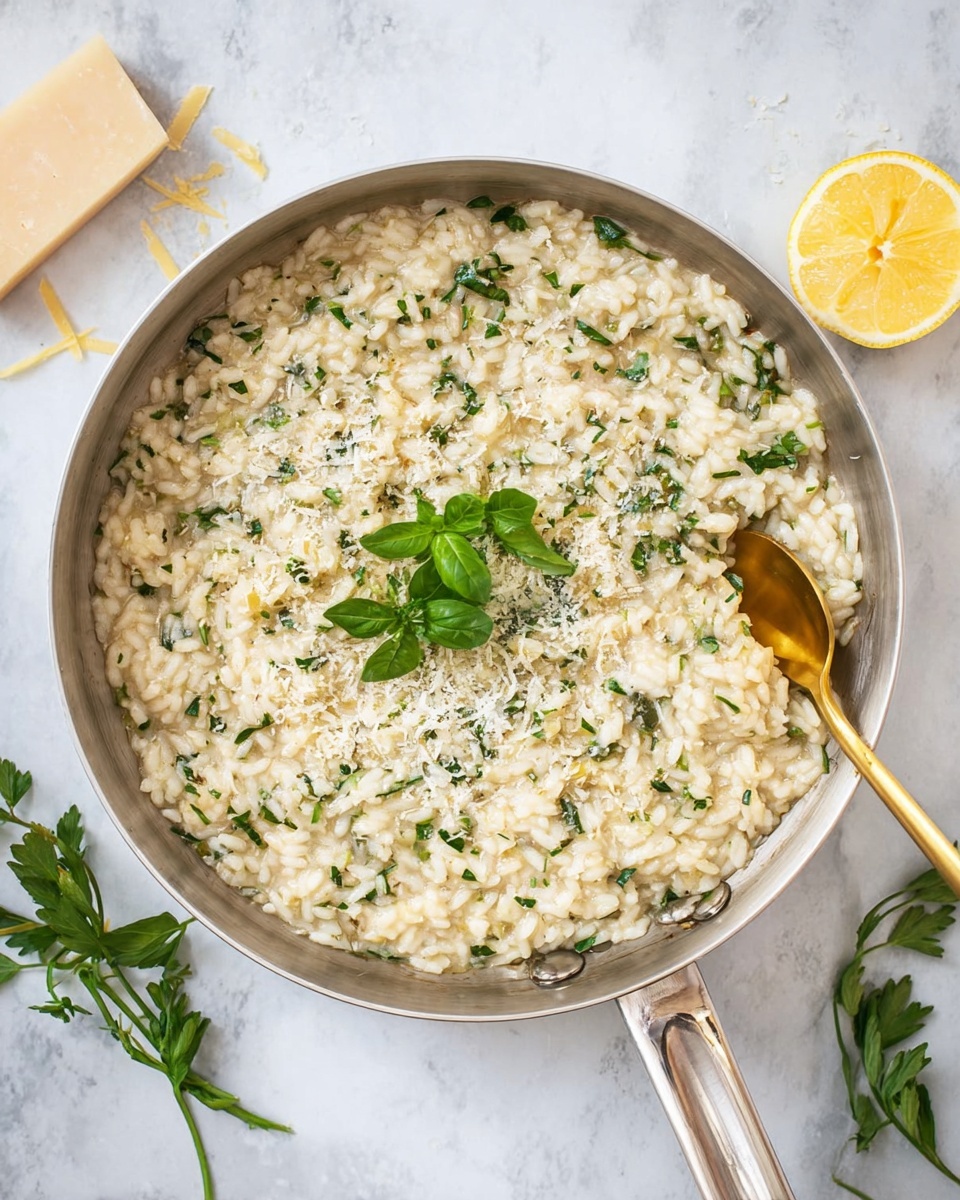
If you are looking to wow your taste buds with something creamy, bright, and absolutely comforting, this Lemon Herb Risotto Recipe is exactly what you need. Imagine perfectly cooked arborio rice bathing in a luscious blend of vegetable broth and white wine, enriched with the zesty freshness of lemon and a vibrant medley of herbs. Every bite delivers silkiness accented by fragrant notes of garlic, shallots, and fresh garden herbs, making this dish a true celebration of flavor and texture. It’s a dish that feels special yet surprisingly easy to prepare, perfect for both weeknight dinners and entertaining guests.
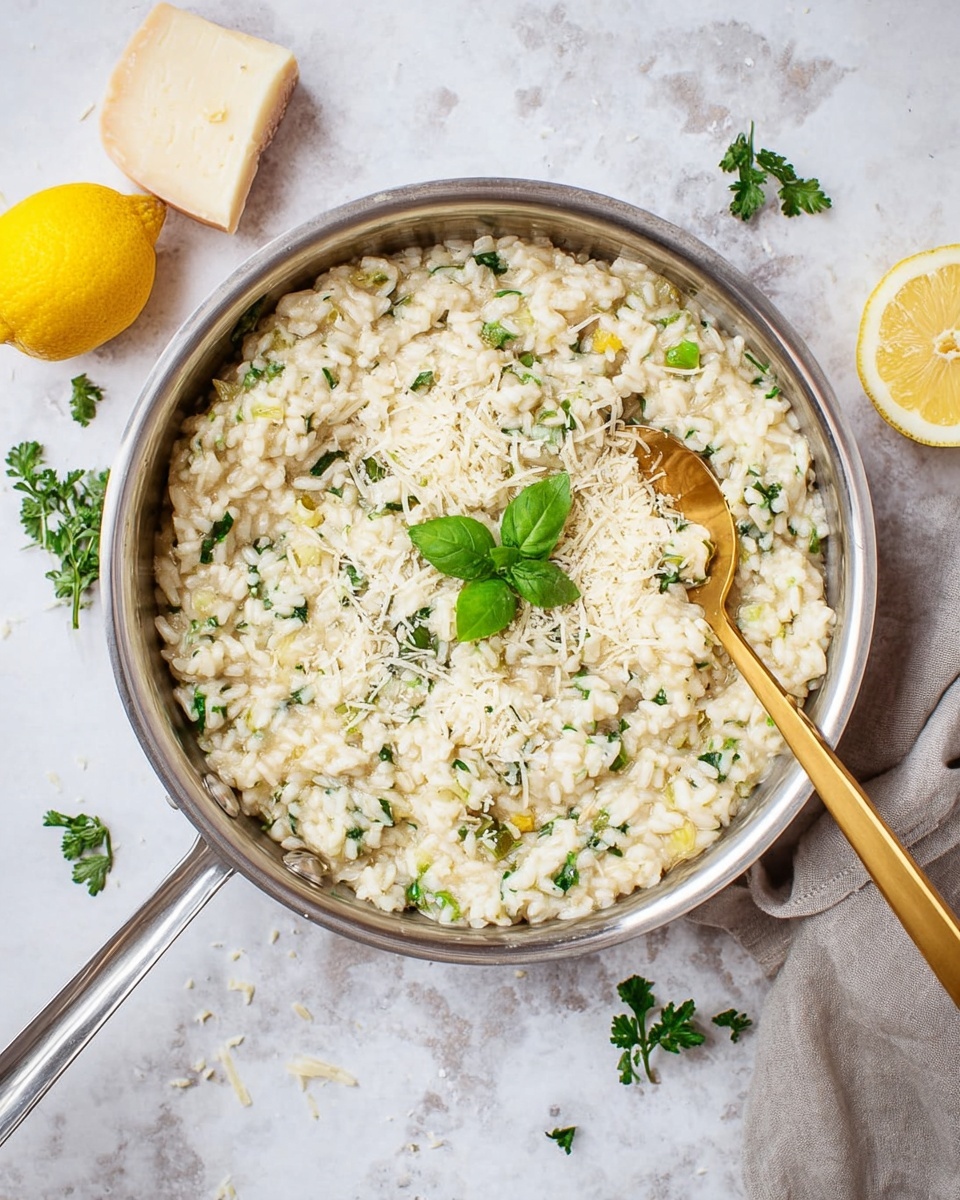
Ingredients You’ll Need
Gathering the right ingredients is simpler than you think, and each one plays a crucial role in building the beautiful harmony of tastes in this Lemon Herb Risotto Recipe. From the creamy arborio rice that lends body, to the fresh herbs that brighten every forkful, these essentials will guide you to risotto success.
- 5 cups vegetable broth: Provides the base liquid, infusing the rice with rich, savory flavor throughout cooking.
- 1 cup white wine: Adds acidity and depth, lifting the dish with subtle fruity notes.
- 2 tablespoons butter: Creates a silky texture and rounds out the flavors.
- 1 small shallot (chopped finely): Offers a mild, sweet onion flavor that complements the garlic perfectly.
- 2 cloves garlic (minced): Brings aromatic warmth without overpowering the dish.
- 2 cups arborio rice: The star ingredient known for its high starch content, making the risotto beautifully creamy.
- Juice + zest from 1 large lemon: Adds a bright, citrusy punch that freshens and balances the richness.
- 1/2 cup (packed) mixed fresh herbs (oregano, parsley, basil, chives, & dill) (chopped finely): A fragrant herb medley that infuses the risotto with garden-fresh vibrancy.
- Salt & pepper (to taste): Essential seasonings to enhance all the natural flavors.
- Freshly grated parmesan cheese (optional): Adds a nutty, savory finish, elevating the risotto’s creaminess.
How to Make Lemon Herb Risotto Recipe
Step 1: Prepare the Broth and Wine
Start by combining the vegetable broth and white wine in a pan over high heat. You want to bring it nearly to a boil and then reduce the heat to low to keep it hot without boiling over. This warm liquid will help the rice cook evenly and absorb all the wonderful flavors gradually.
Step 2: Melt the Butter
In a separate skillet, melt the butter over medium heat. This step sets the stage for the rich, creamy texture that defines a great risotto. The butter not only adds flavor but also helps to gently cook the aromatics that come next.
Step 3: Sauté Shallots and Garlic
Add the finely chopped shallot and minced garlic to the melted butter. Cook these gently for a couple of minutes, stirring constantly to avoid browning. Their mild sweetness and pungent aroma will become the fragrant backbone of your risotto.
Step 4: Toast the Arborio Rice
Stir in the arborio rice and toast it in the butter and aromatics for about two minutes. Make sure each grain is well-coated with butter. Toasting helps the rice emit its natural nutty flavor and prepares it to soak up the liquids beautifully. After this, turn the heat down to medium-low.
Step 5: Slowly Add Liquid
Now comes the classic risotto technique: add the warm broth and wine mixture one ladle at a time. Stir almost constantly as the rice absorbs each addition, only adding more liquid once the previous is mostly absorbed. This slow addition and frequent stirring coax out the rice’s starches, creating the signature creamy consistency you crave. Keep going until you have used all the broth and the rice is tender yet slightly firm to the bite.
Step 6: Add Lemon and Herbs
Once the rice has fully absorbed the liquids, stir in fresh lemon juice and zest along with the finely chopped mixed herbs. This infusion of citrus and herbs breathes life into the risotto with light, fresh flavors. Season with salt and pepper to your taste, balancing all the layers perfectly.
Step 7: Finish with Cheese (Optional)
If you love a luscious finish, fold in freshly grated parmesan cheese just before serving or sprinkle it on top. The cheese melts into the risotto, lending an indulgent creaminess without overwhelming the bright lemon-herb profile.
How to Serve Lemon Herb Risotto Recipe
Garnishes
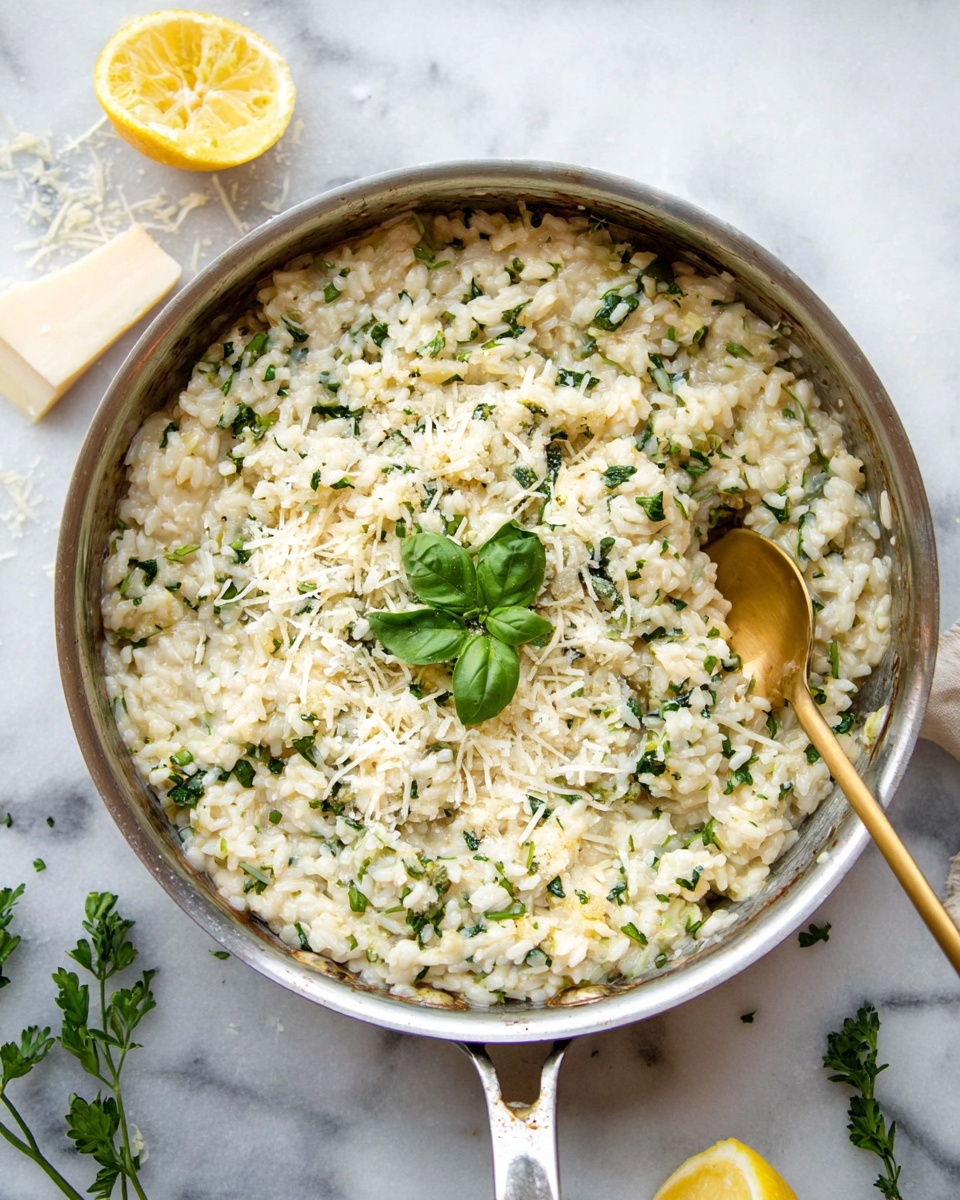
To take your Lemon Herb Risotto Recipe to the next level, garnish it with a few fresh herb sprigs or a thin lemon slice for a fresh look and an extra burst of color. A drizzle of good quality olive oil can also add a subtle richness and shine that makes the dish even more tempting.
Side Dishes
This risotto pairs beautifully with light and simple sides. Try serving it alongside grilled asparagus, roasted vegetables, or a fresh arugula salad dressed with lemon vinaigrette to complement the citrus notes. For a heartier meal, a piece of pan-seared chicken or baked fish enhances the meal without overpowering the risotto.
Creative Ways to Present
For a fun presentation, serve your Lemon Herb Risotto Recipe in small, individual ramekins topped with edible flowers or microgreens. Another idea is to scoop it into hollowed-out lemon halves or roasted bell peppers for a stunning visual impact at dinner parties.
Make Ahead and Storage
Storing Leftovers
If you have leftovers, store the risotto in an airtight container in the refrigerator. It will keep well for up to three days. Remember that risotto thickens upon chilling, so it might firm up but will still taste delicious when reheated.
Freezing
Freezing risotto is possible, though the texture can change slightly. To freeze, place cooled risotto in a freezer-safe container, leaving some space for expansion. It will last up to two months in the freezer. Thaw overnight in the fridge for best results before reheating.
Reheating
When you’re ready to enjoy your leftover Lemon Herb Risotto Recipe, gently reheat it on the stove with a splash of broth or water to restore its creamy texture. Stir frequently over low heat until warmed through, and sprinkle a bit more fresh parmesan or herbs to revive the vibrant flavors.
FAQs
Can I use chicken broth instead of vegetable broth?
Absolutely! Chicken broth adds a richer, slightly meatier flavor, which pairs wonderfully with the herbs and lemon if you prefer a non-vegetarian version of this risotto.
How important is the white wine in this recipe?
The white wine adds acidity and complexity that’s hard to replicate. However, if you prefer not to use wine, you can substitute extra broth with a splash of lemon juice added at the end to maintain brightness.
What herbs work best in this risotto?
A mix of fresh oregano, parsley, basil, chives, and dill is a winning combo, giving you layers of herbal flavors. Feel free to experiment with what’s fresh in your garden or pantry, just keep the herbs finely chopped for even distribution.
Can this recipe be made vegan?
Yes, simply use vegan butter or olive oil instead of regular butter, and omit the parmesan cheese or use a vegan cheese substitute to keep it plant-based and delicious.
How do I know when the risotto is done?
The key is that the rice should be tender but still have a slight bite or “al dente” texture, and the risotto should be creamy, not dry. Taste a few grains near the end of cooking to check, and adjust liquid and cooking time as needed.
Final Thoughts
Making this Lemon Herb Risotto Recipe is like giving yourself a warm, comforting hug with every bite. It’s packed with thoughtful flavors that are bright, creamy, and utterly satisfying. Whether you’re cooking for family, friends, or just indulging solo, this recipe is sure to become a favorite go-to. So grab those fresh herbs, zest up a lemon, and get ready to enjoy one of the most delightful risottos you’ll ever make!
Print
Lemon Herb Risotto Recipe
- Prep Time: 10 minutes
- Cook Time: 45 minutes
- Total Time: 55 minutes
- Yield: 4 servings
- Category: Main Course
- Method: Stovetop
- Cuisine: Italian
- Diet: Vegetarian
Description
A creamy and vibrant Lemon Herb Risotto featuring arborio rice slowly cooked in vegetable broth and white wine, infused with fresh herbs and bright lemon zest and juice. This vegetarian Italian-inspired dish is rich with buttery flavor and a fresh herby aroma, perfect as a comforting main or side.
Ingredients
Liquids
- 5 cups vegetable broth
- 1 cup white wine
Base
- 2 tablespoons butter
- 2 cups arborio rice
Vegetables and Aromatics
- 1 small shallot, chopped finely
- 2 cloves garlic, minced
Flavorings
- Juice and zest from 1 large lemon
- 1/2 cup (packed) mixed fresh herbs (oregano, parsley, basil, chives, & dill), chopped finely
- Salt and pepper, to taste
Optional
- Freshly grated Parmesan cheese, for serving
Instructions
- Prepare the liquids: Add the vegetable broth and white wine to a pan over high heat, then reduce the heat to low just before it starts boiling. Keep the liquid warm throughout cooking.
- Melt the butter: In a separate skillet, melt the butter over medium heat to create a rich base for the risotto.
- Sauté aromatics: Add the finely chopped shallot and minced garlic to the skillet with melted butter and cook gently for a couple of minutes, making sure they soften without browning to build delicate flavor.
- Toast the rice: Stir the arborio rice into the skillet. Keep stirring constantly for about two minutes so that each grain is well coated with butter and slightly toasted, reducing heat to medium-low.
- Cook the risotto: Add the warm liquid one ladle at a time to the rice, stirring nearly constantly. Wait until the liquid is almost fully absorbed before adding the next ladle. Continue this gradual cooking method until all the liquid is used and the rice is tender yet al dente, forming a creamy texture.
- Finish with lemon and herbs: Stir in the fresh lemon juice and zest along with the finely chopped mixed herbs. Season with salt and pepper to taste, blending bright and fresh flavors into the creamy risotto.
- Serve: Optionally, stir in or sprinkle freshly grated Parmesan cheese on top before serving to add a savory, cheesy richness.
Notes
- Use warm broth and wine to ensure even cooking and prevent the rice from cooking too slowly.
- Stirring constantly helps release the rice’s starch, creating the signature creamy risotto texture.
- Adjust the amount of lemon juice to suit your taste for acidity.
- Fresh herbs can be varied based on preference; thyme or tarragon would also complement well.
- For a non-alcoholic version, replace the white wine with additional vegetable broth or a splash of lemon juice diluted with broth.
- Traditional Parmesan adds richness but can be omitted for a vegan risotto by using a vegan cheese alternative or no cheese at all.